Costa Rica has become one of the most visited countries in the region, and it has also acquired a reputation for being expensive. Travellers weighing it up against its neighbours keep asking the same two questions: why does a small Central American country cost this much, and is it worth it? Here is an honest look at both, from people who live and work here.
Why Costa Rica costs what it does
Several things push prices up, and none of them is arbitrary. Understanding them makes it much easier to plan a trip that fits your budget.
Demand
The country's reputation as safe, green and full of things to do has grown enormously over the last two decades. Demand for rooms, tours and flights has grown with it, particularly in the dry season, and prices follow demand here as anywhere else.
The cost of doing it properly
Costa Rica spends real money on environmental protection, and a great many lodges, parks and operators work to standards that cost more to meet. Renewable energy, proper waste treatment and paying local staff properly all show up in the price. You are frequently paying for the reason you came.
Almost everything is imported
A significant share of food, fuel and consumer goods arrives from elsewhere, and import duty and shipping are built into what you pay for a meal or a hotel room. A small economy cannot produce at the scale that keeps prices down, and that flows through to visitors.
Getting around is not cheap
Infrastructure has improved a lot, but many of the places worth going are remote or reached on rough roads. Public transport does not go everywhere a visitor wants to be, so people fall back on shuttles, taxis or a rental car, and that is often the line of a budget that surprises people most.
Stability has a price
Costa Rica is among the safest and most politically stable countries in Central America, with a healthcare system to match. That is a genuine part of what visitors are buying, and it is reflected in what things cost.
What you get for it
Plenty of people come back saying it was worth every colon. Here is what they are usually talking about.
Nature you cannot get elsewhere
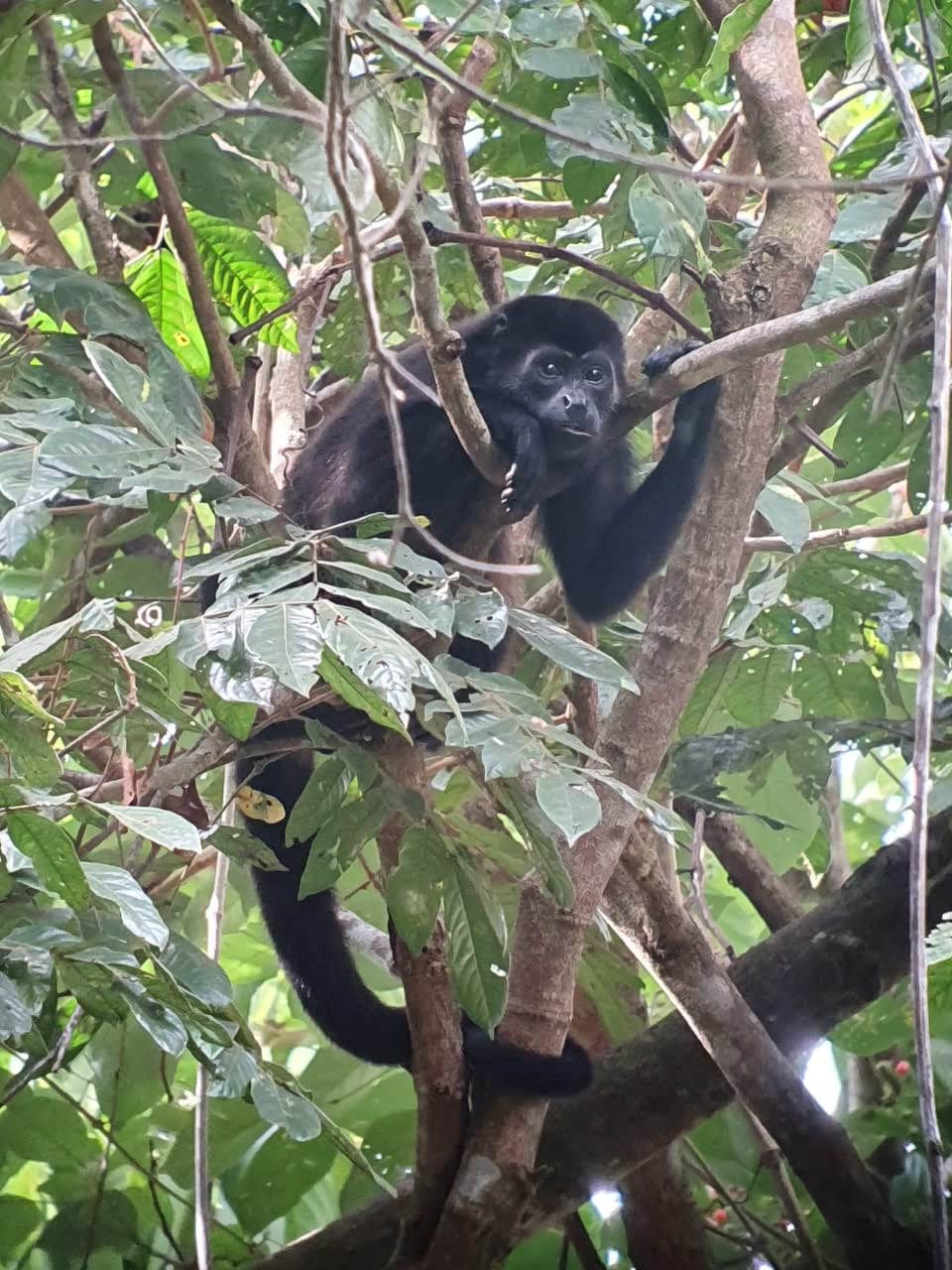
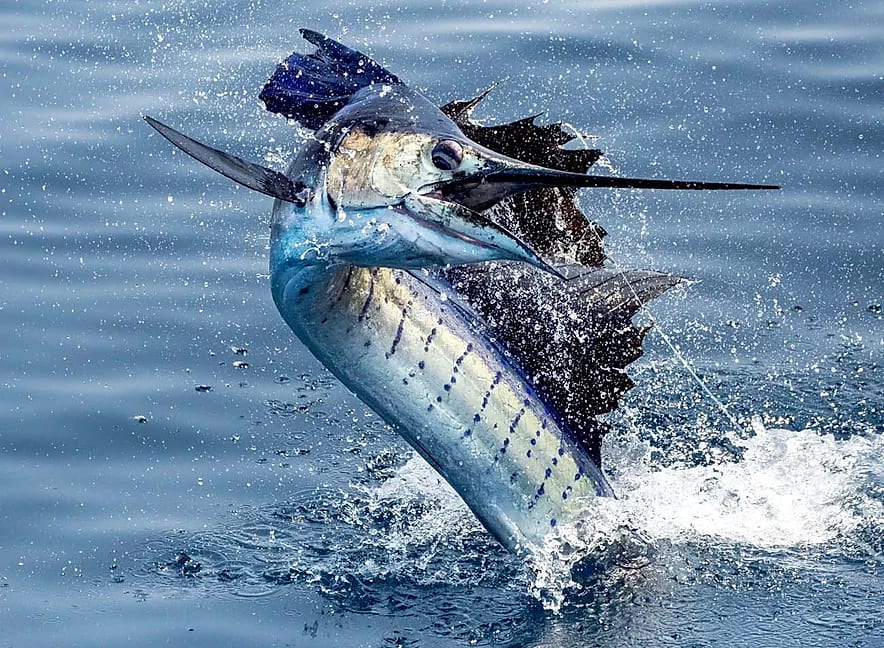
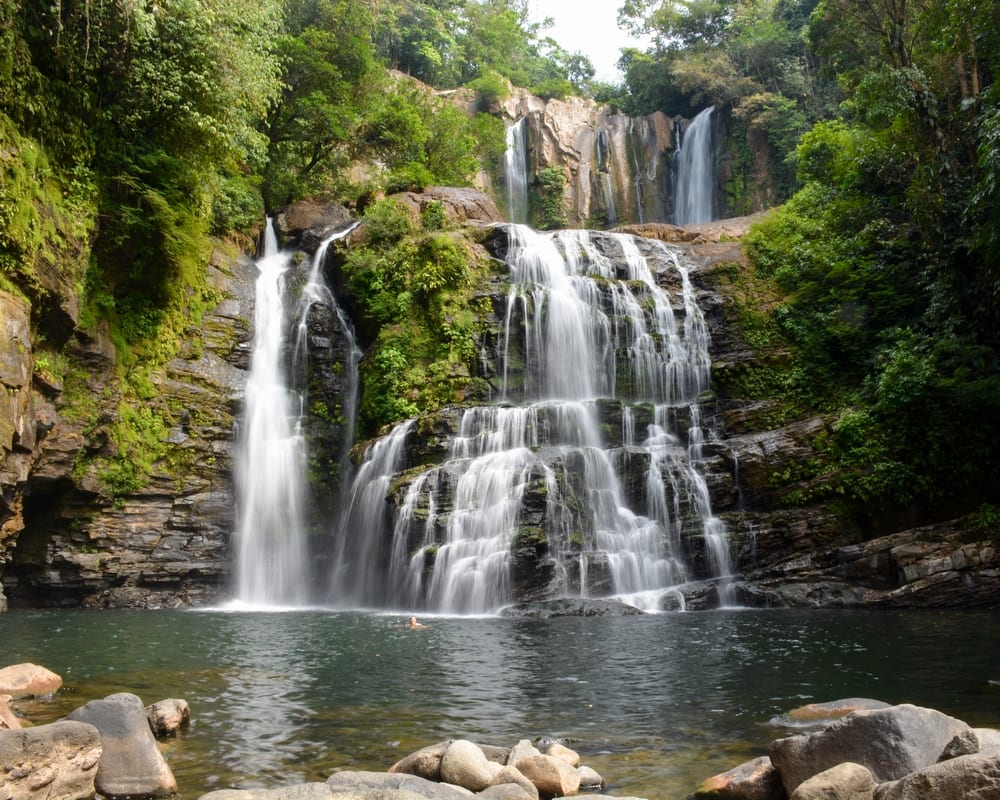
The range of ecosystems in a country this size is genuinely unusual: cloud forest, volcanic hot springs, dry forest, rainforest and two coastlines, all within a day's drive of each other. Monteverde, Corcovado and the surfing on the Pacific coast are the sort of thing people plan a trip around rather than fit into one.
Things to actually do
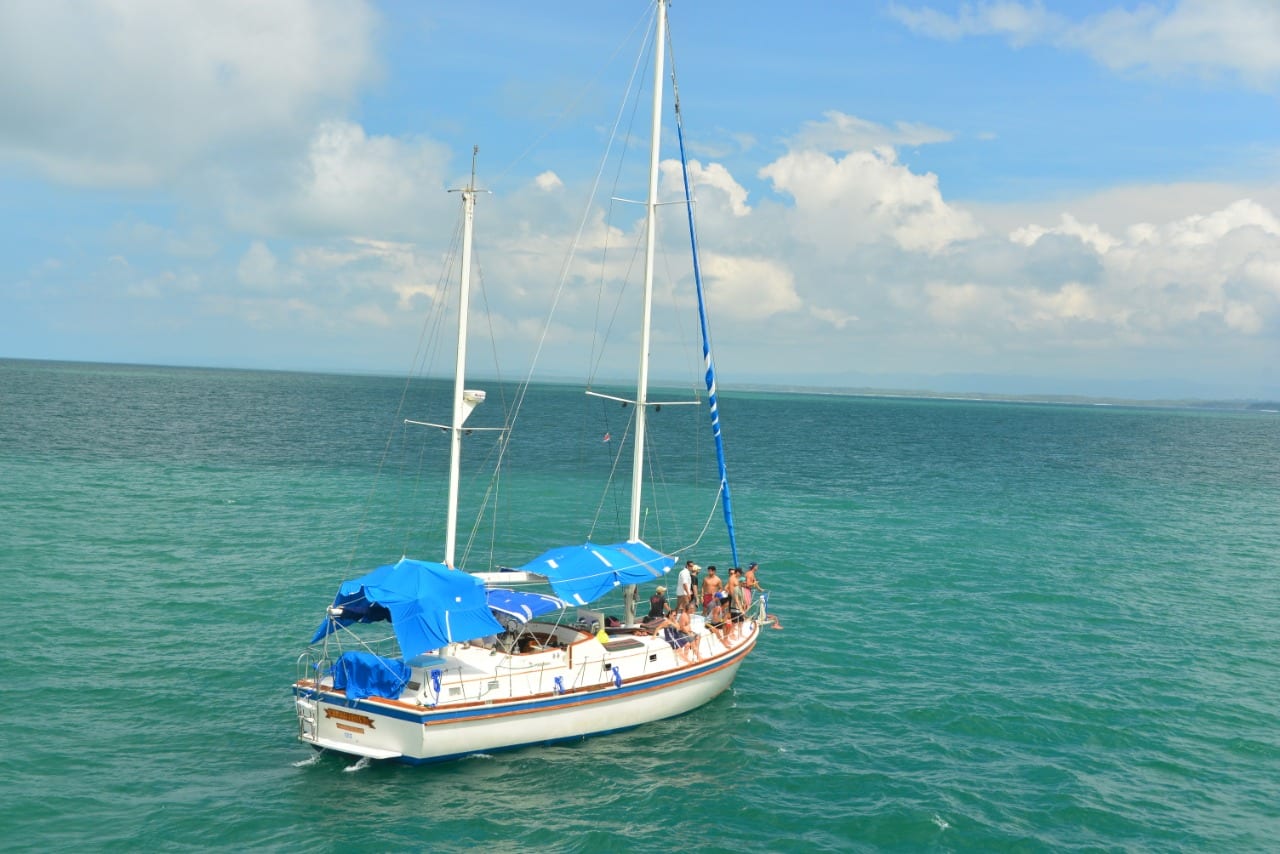
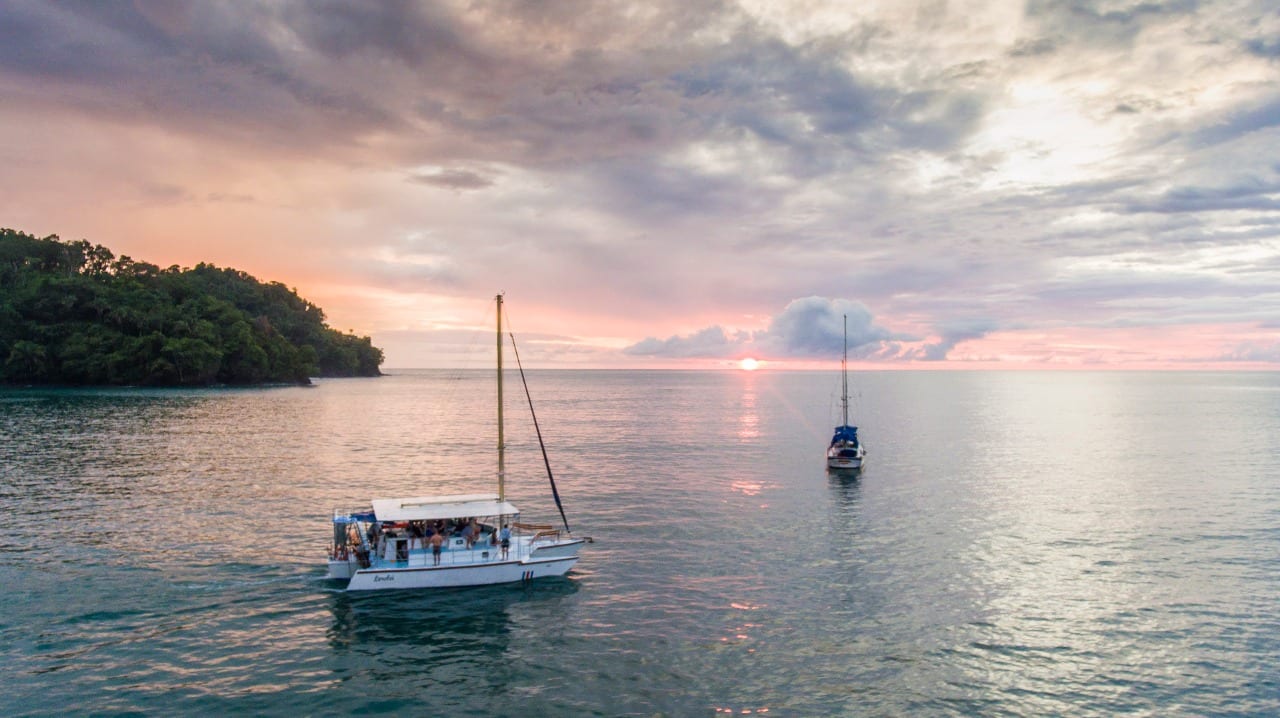
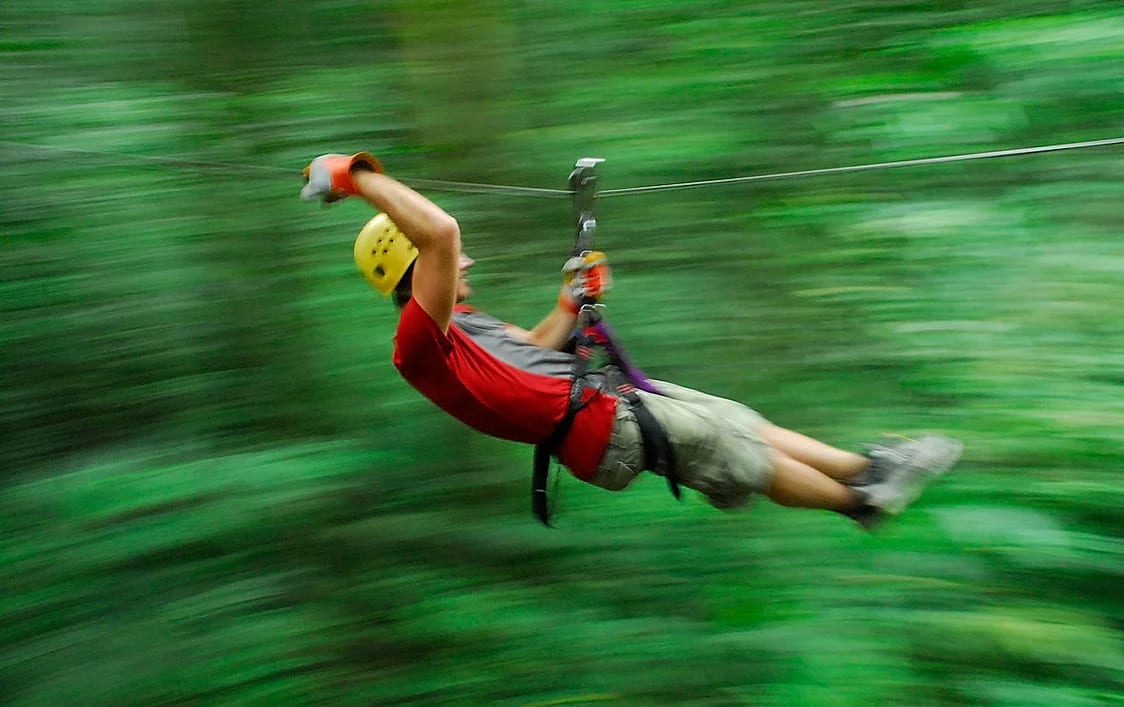
Ziplining, white-water rafting, snorkelling, volcano hikes, night walks. Most of it comes with a trained guide, proper equipment and a small group, which is part of why it costs what it does and most of why it is worth doing.
Places that are well run
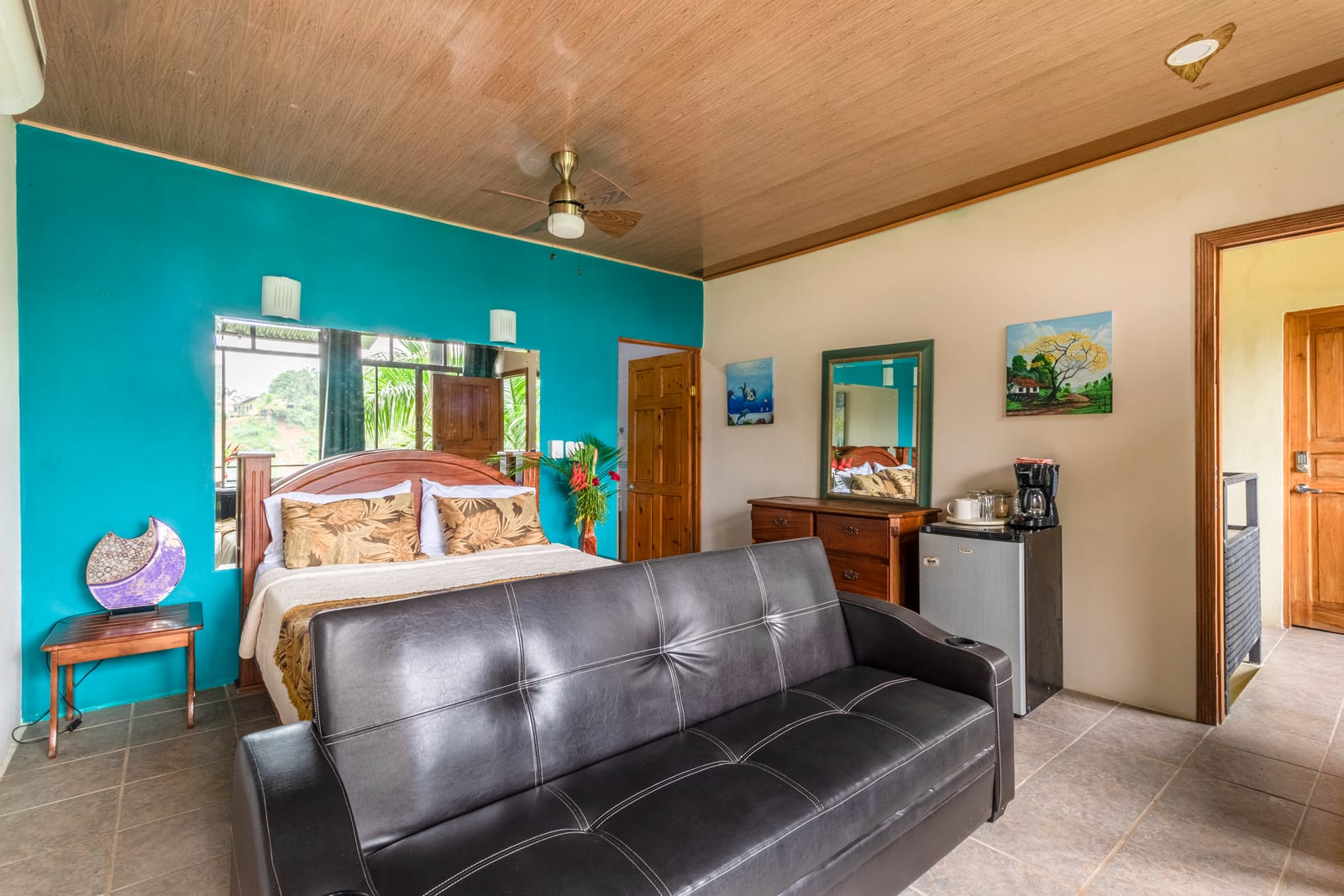
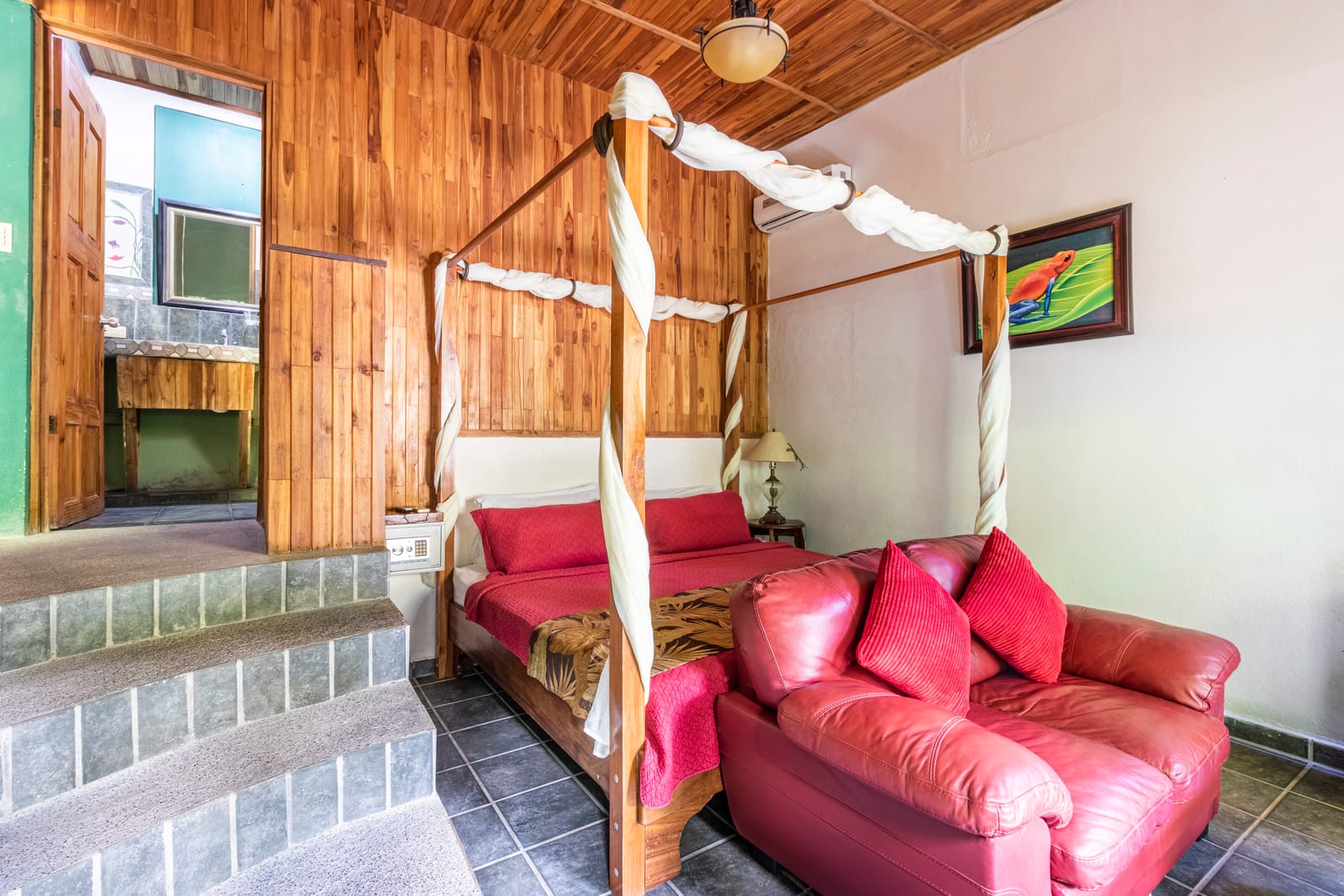
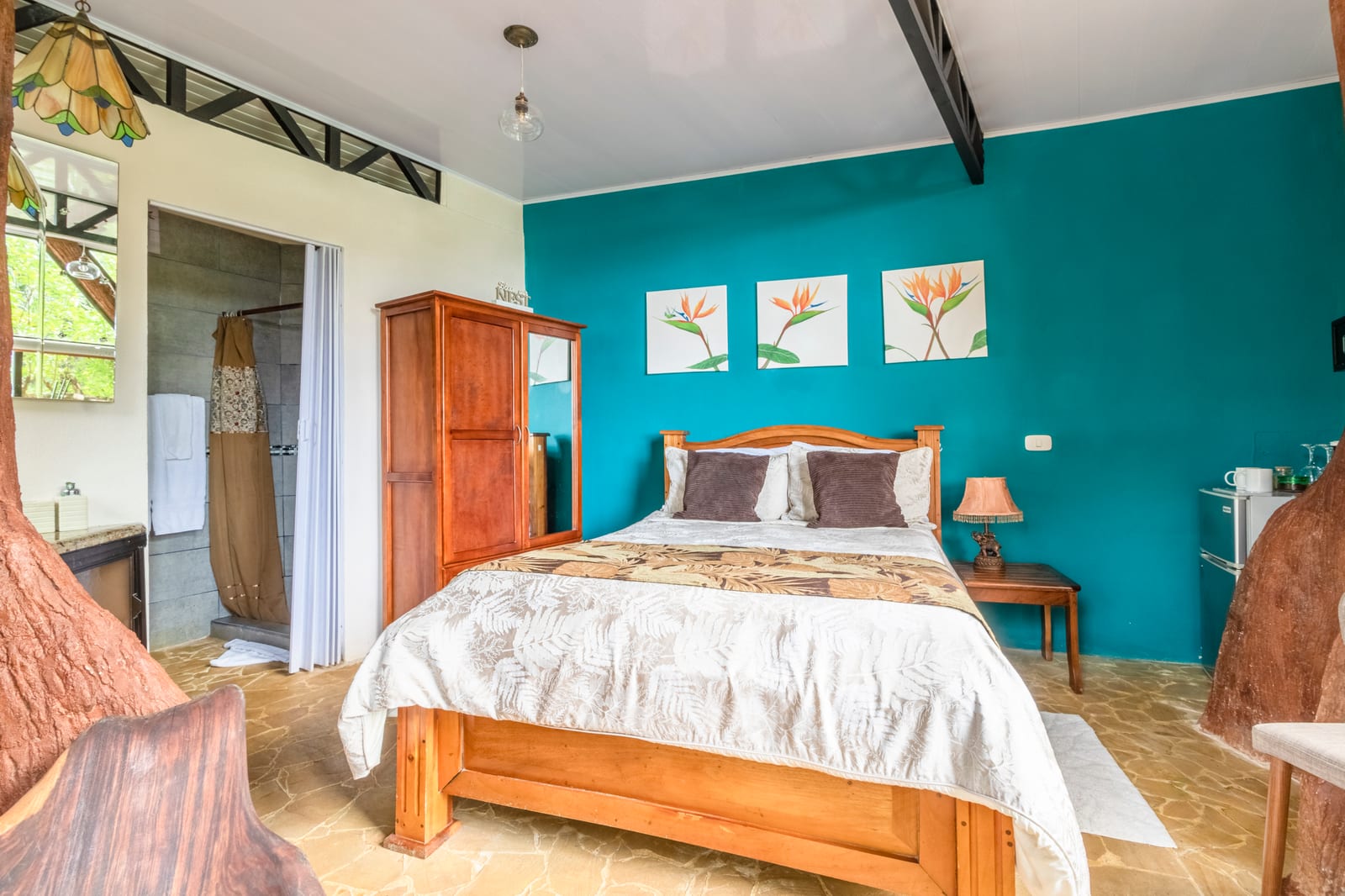
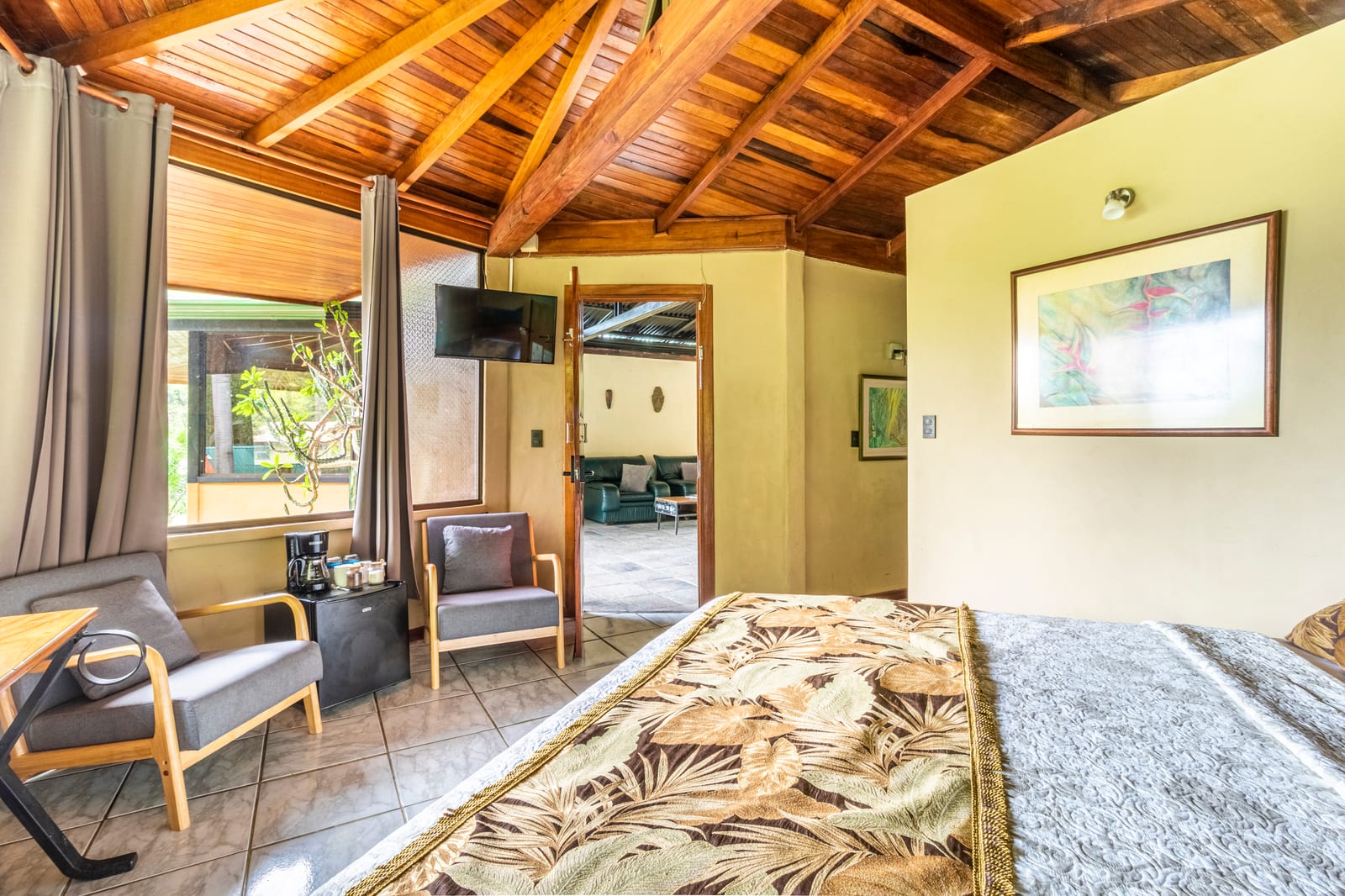
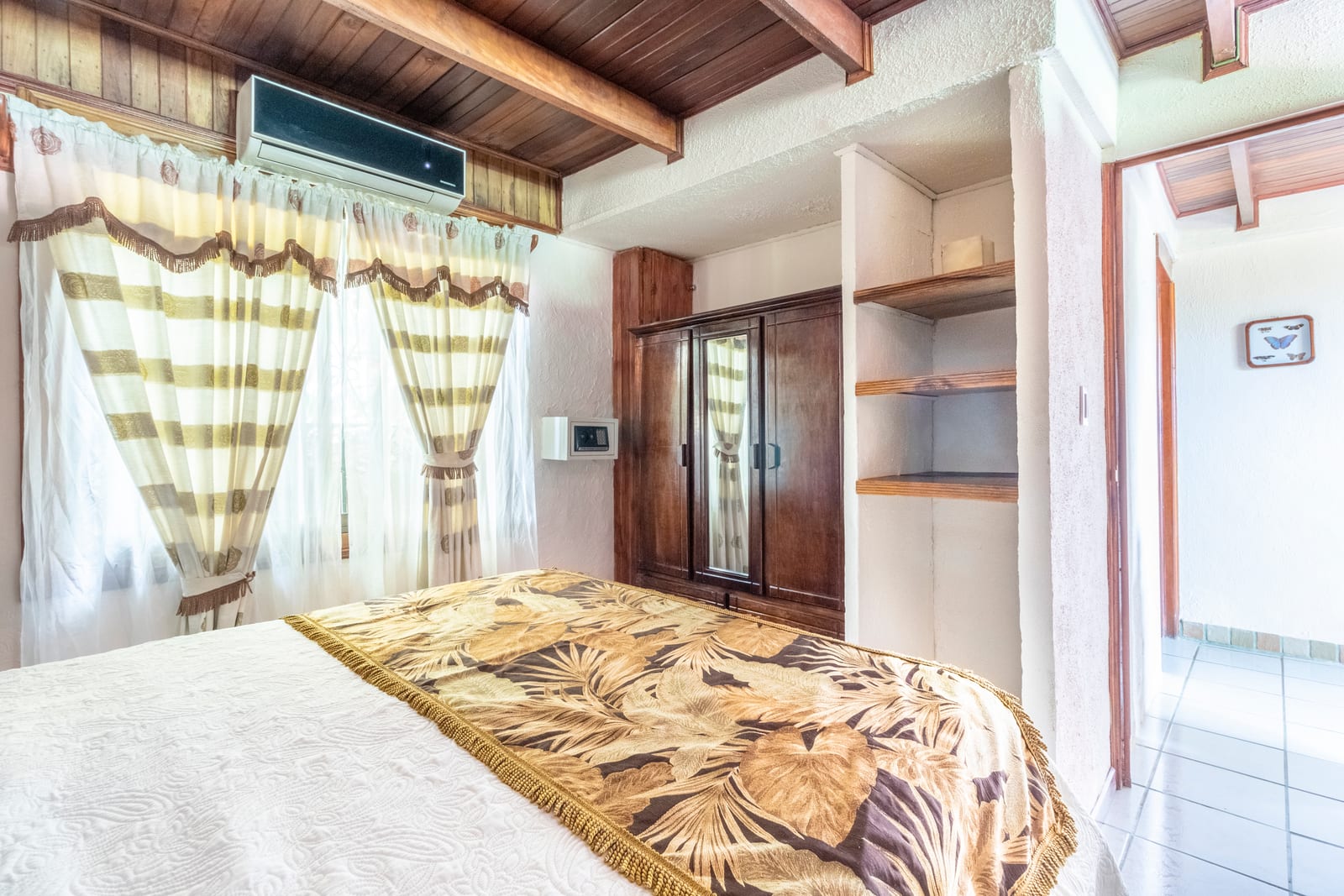
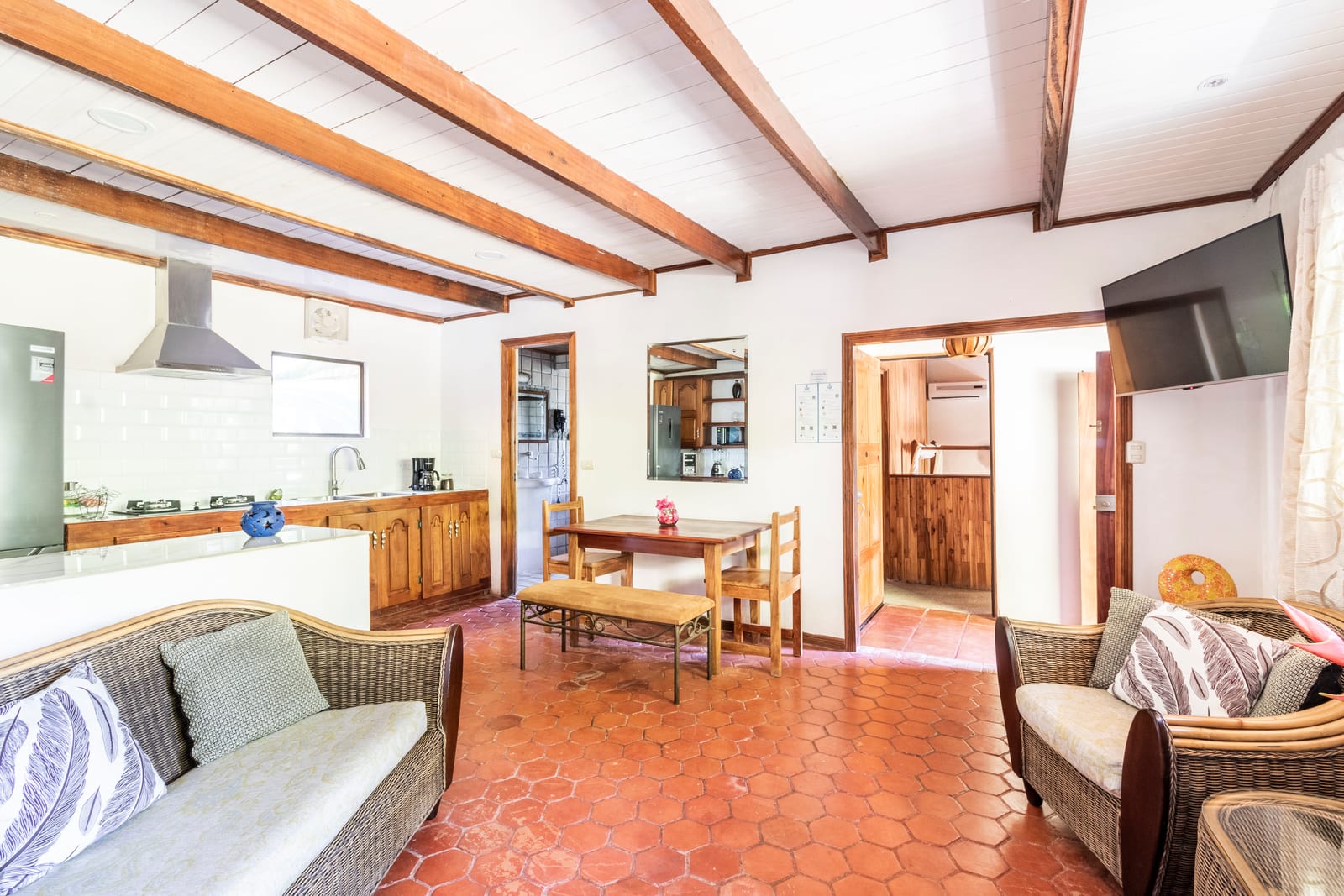
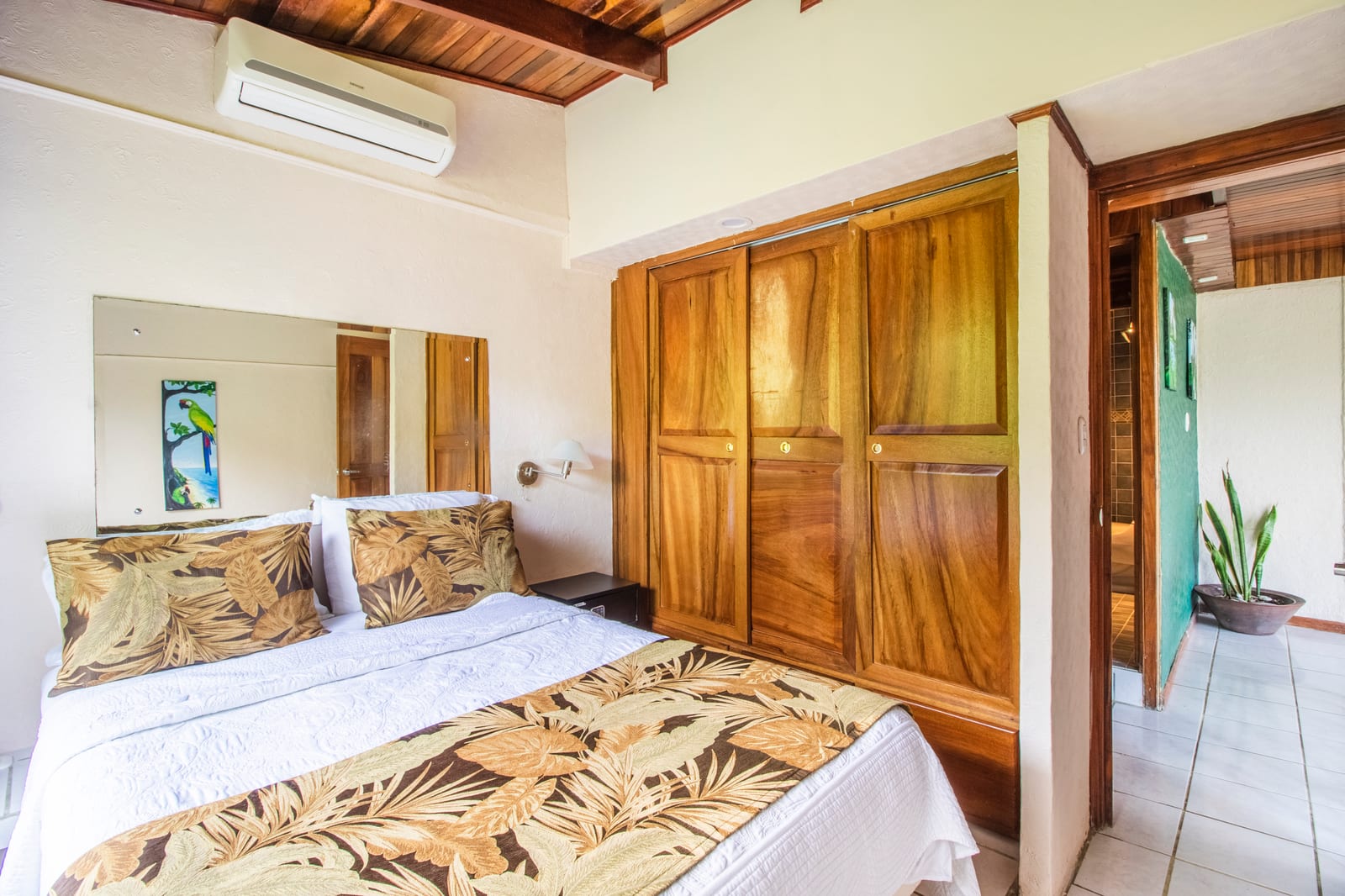
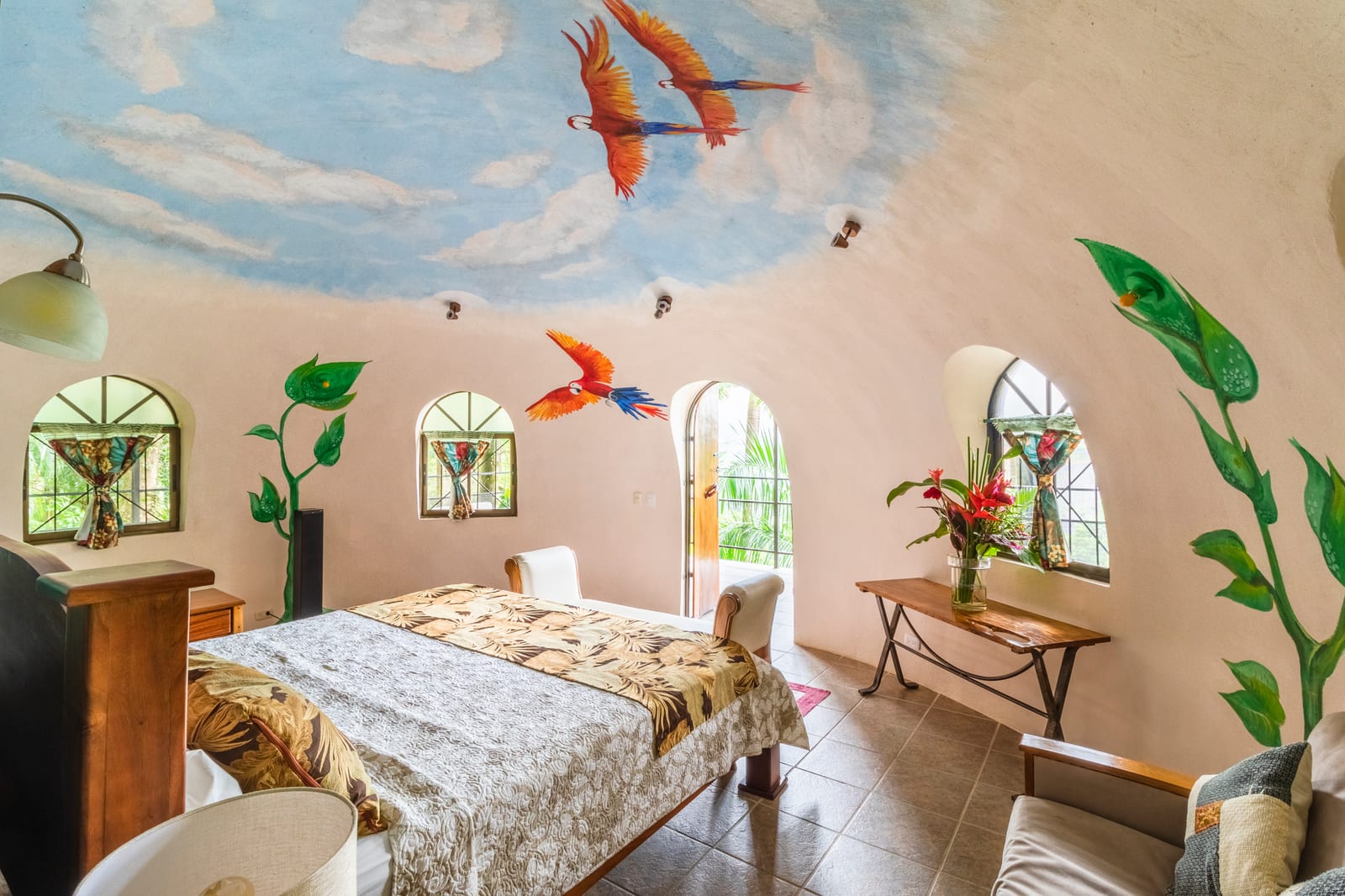
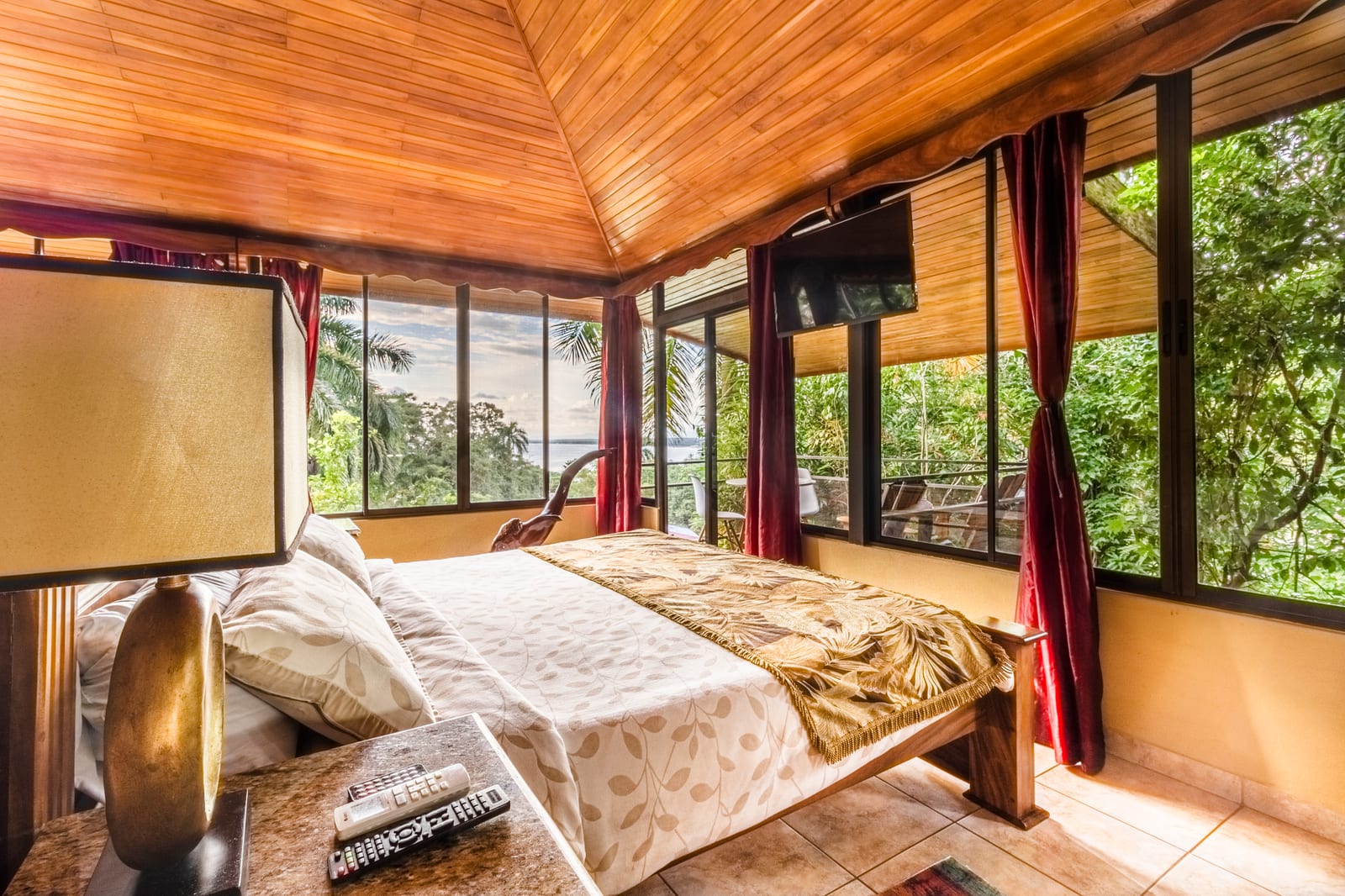
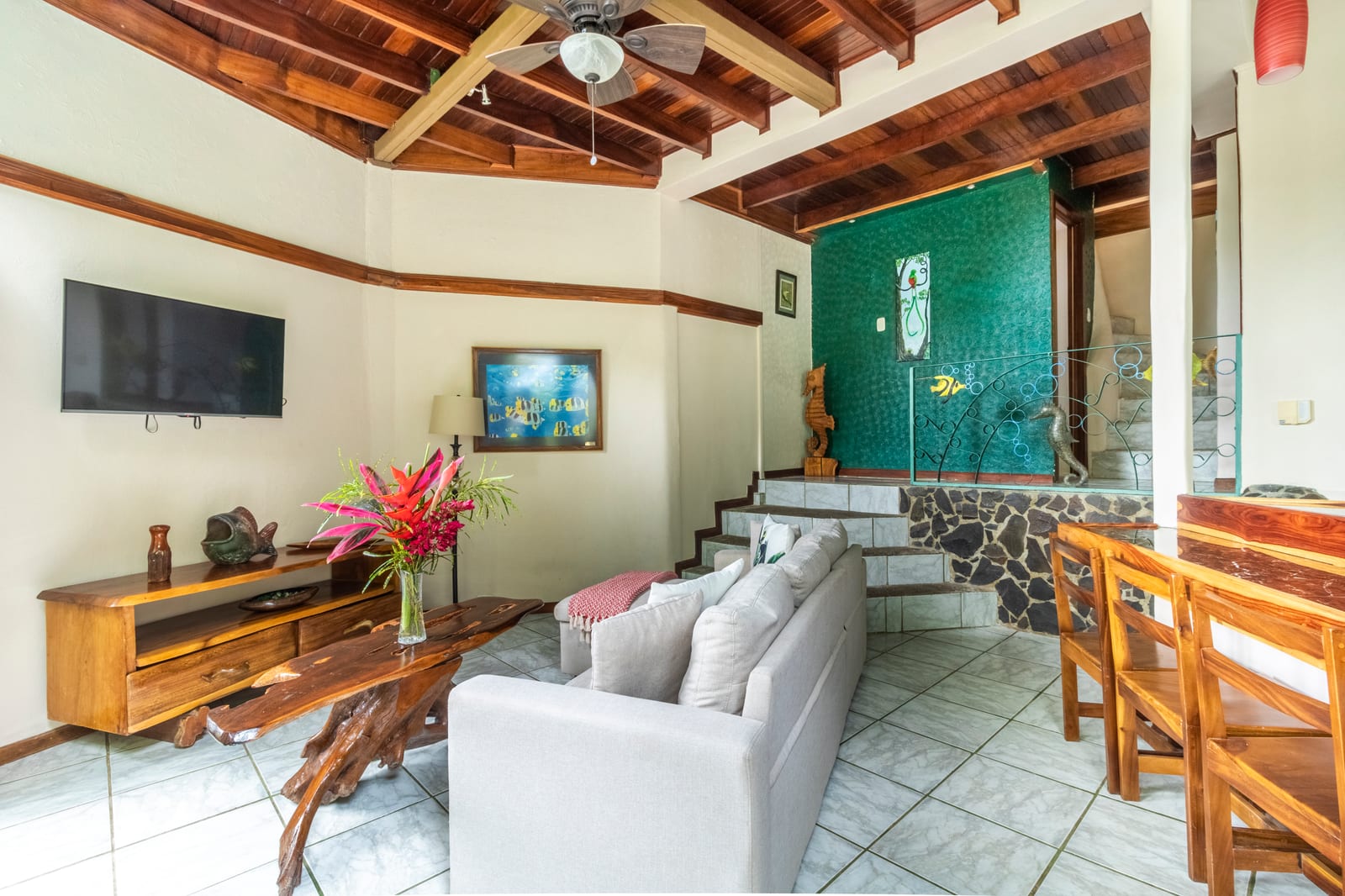
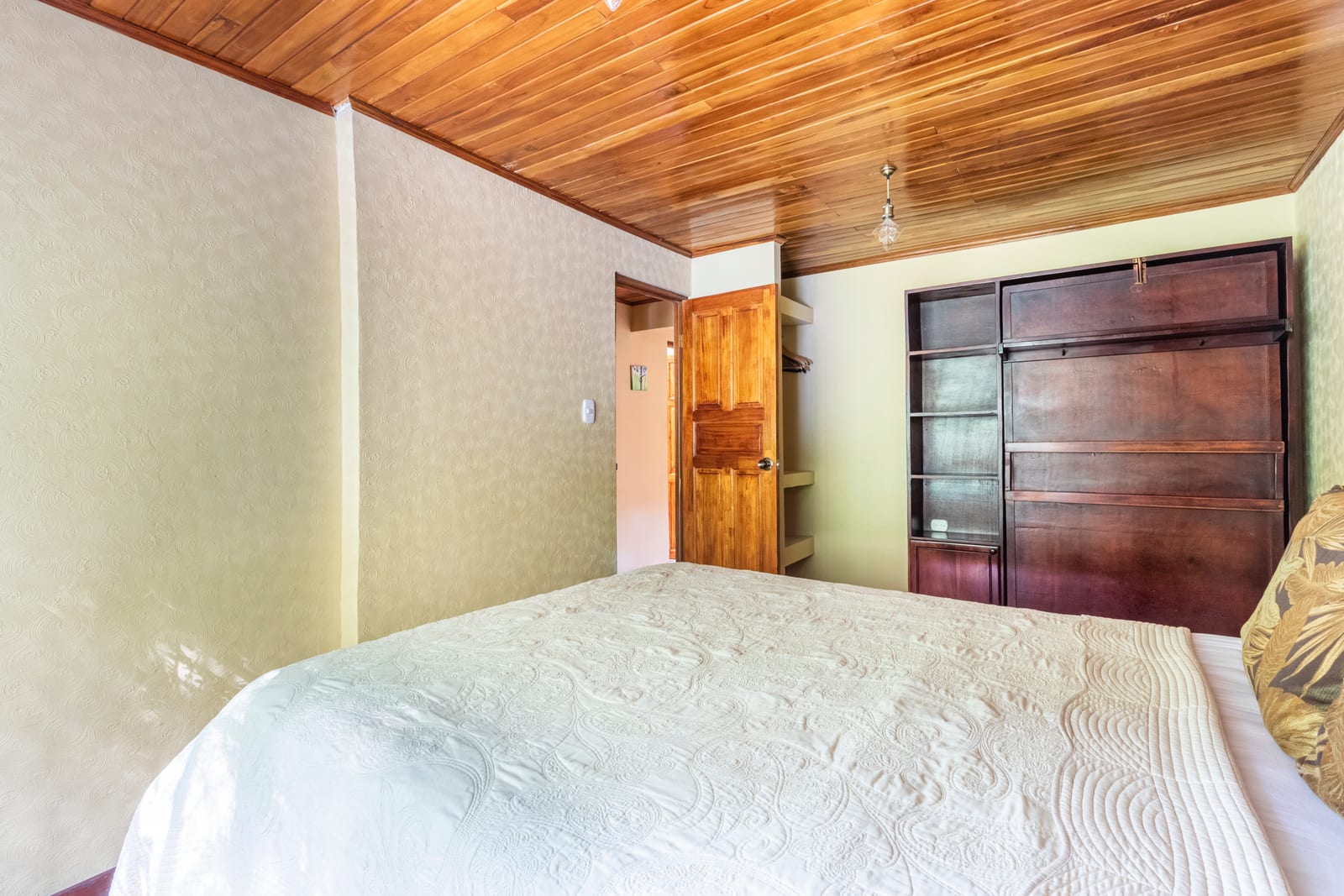
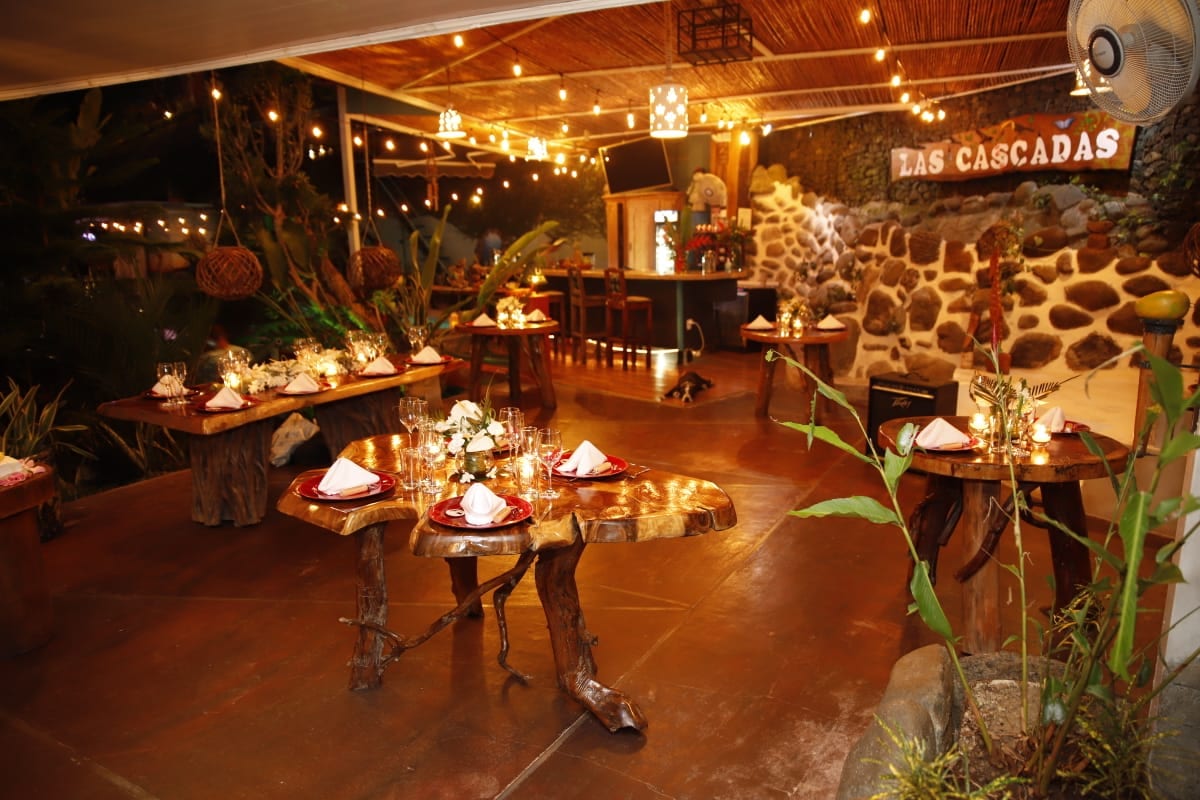
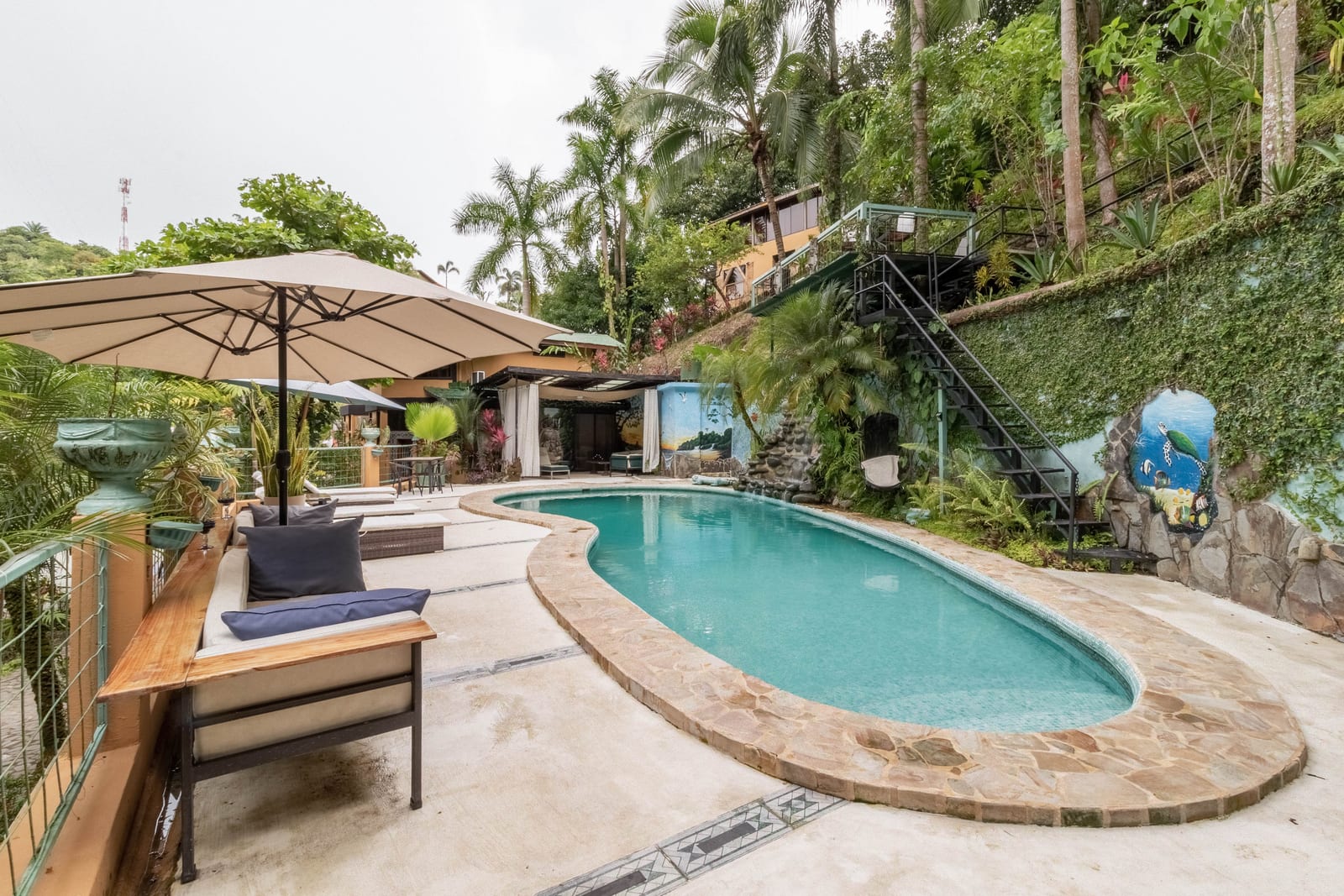
There is lodging at every level, from hostels to high-end resorts, and the middle of that range is where Costa Rica does particularly well. Small hotels here tend to be owner-run, and it shows in the service and the attention to detail.
Somewhere to slow down
Hot springs, yoga retreats and quiet places to do nothing are a real part of what the country sells, and for a lot of visitors that is the half of the trip that justifies the cost.
Where the money goes
Tourism here supports a great many local livelihoods and funds a good deal of the conservation work. Choosing operators and hotels that take that seriously means your spending does something beyond your own holiday, which is not nothing.
How to spend less
You can do this country on a modest budget. It takes a few deliberate choices rather than one big sacrifice.
- Come in the green season, May to November. Rates across the country drop and the crowds thin out, and the weather is far better than its reputation.
- Stay in the working towns rather than on the resort strips. Quepos rather than the hill road, for instance, and you will pay noticeably less for the same comfort.
- Take the bus. Public buses are a fraction of the cost of a shuttle or a taxi and they go almost everywhere, including between towns. They take longer and that is the whole trade.
- Book ahead, particularly for the dry season, when the good value goes first.
- Eat at sodas. A casado at a local soda costs a small fraction of the same meal at a restaurant aimed at visitors, and is frequently better.
- Walk the free trails. Not everything needs a guided tour, and there is a lot of coastline and forest you can reach on your own.
- Skip the rental car unless your plans genuinely need one. If they do, share it.
Budgeting for it
We have deliberately not printed a price list here, because travel prices date faster than anything else in a guide and a stale one is worse than none. What is stable is the shape of the budget, and it is worth knowing before you build one.
- Flights are the big variable. Where you fly from and whether you travel in the peak months will move this more than every other decision combined.
- Accommodation spans an enormous range, and the jump from hostel to mid-range is much smaller than the jump from mid-range to the top end. The middle is where the value is.
- Food splits cleanly in two. Local sodas and restaurants aimed at visitors are different price brackets entirely, and mixing the two is the easiest saving available.
- Transport is the line people forget. Buses, shared shuttles and private transfers sit at very different levels, and the airport transfer in particular is worth pricing before you arrive.
- Tours are worth budgeting individually. A guided day out is a real cost each time, so pick the two or three that matter to you rather than booking one for every day.
Check current prices when you plan, and ask your hotel what a transfer or a tour should cost before you book one. Most of us will tell you straight, because a guest who feels overcharged on day one is nobody's idea of a good week.
So, is it worth it?
The higher prices buy something specific: biodiversity you will not find packed this tightly anywhere else, a lot to do, a country that is safe to move around, and an industry that on the whole takes its environment seriously. If those are the things you travel for, it is worth it.
If you are on a tight budget or what you want is cities and nightlife, Costa Rica will feel expensive next to its neighbours, and that is a fair judgement rather than a wrong one. Careful planning and staying away from the busiest spots closes a lot of that gap.
For nature, adventure and somewhere you can relax without thinking too hard about it, this country earns its price. Come in the green season, eat where the locals eat, and it will cost you a good deal less than the reputation suggests.