







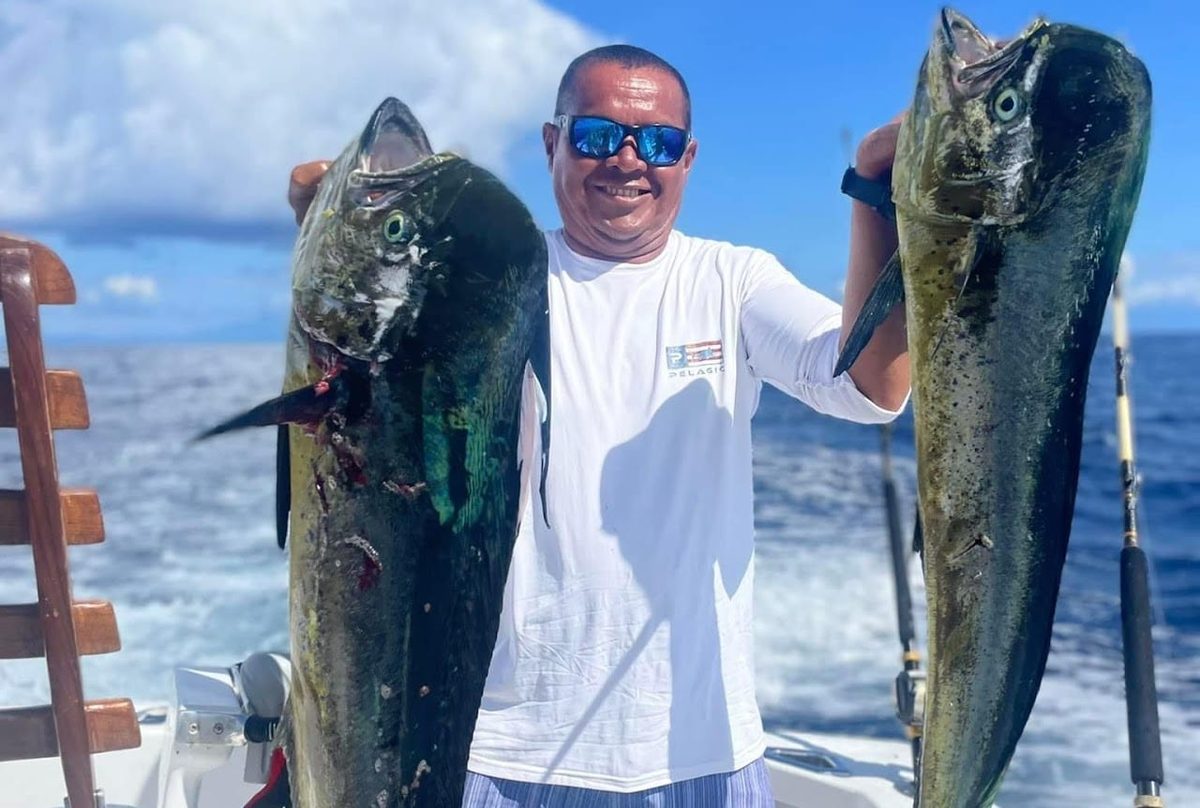
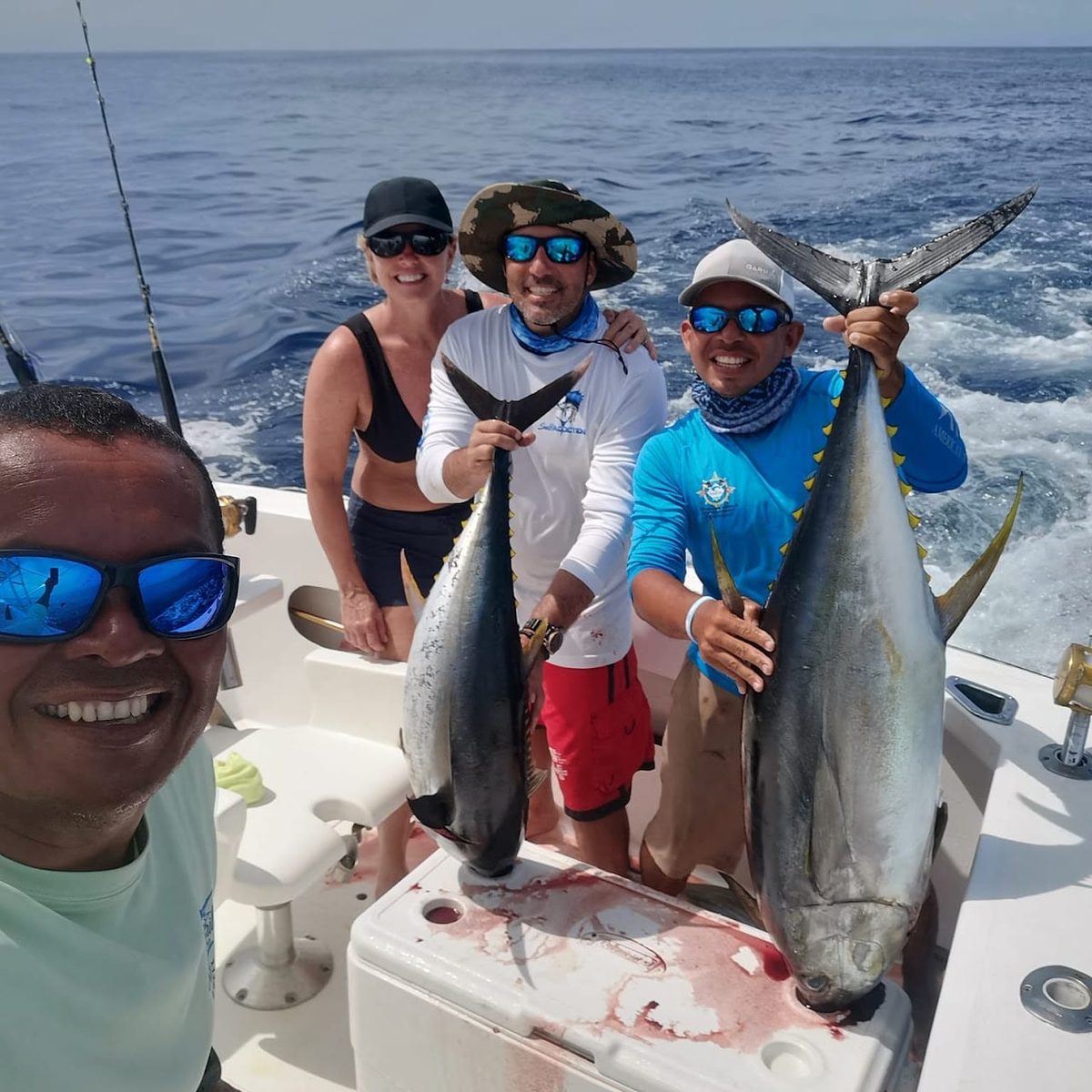
A good day offshore from Quepos can put more yellowfin tuna or mahi-mahi on the deck than one dinner can use, and fishing guests ask us whether the rest can fly home with them. For most trips back to the United States it can, as long as three things go right: you keep only what Costa Rica allows, the fish is frozen hard and packed properly, and you declare it when you land.
What you are allowed to keep
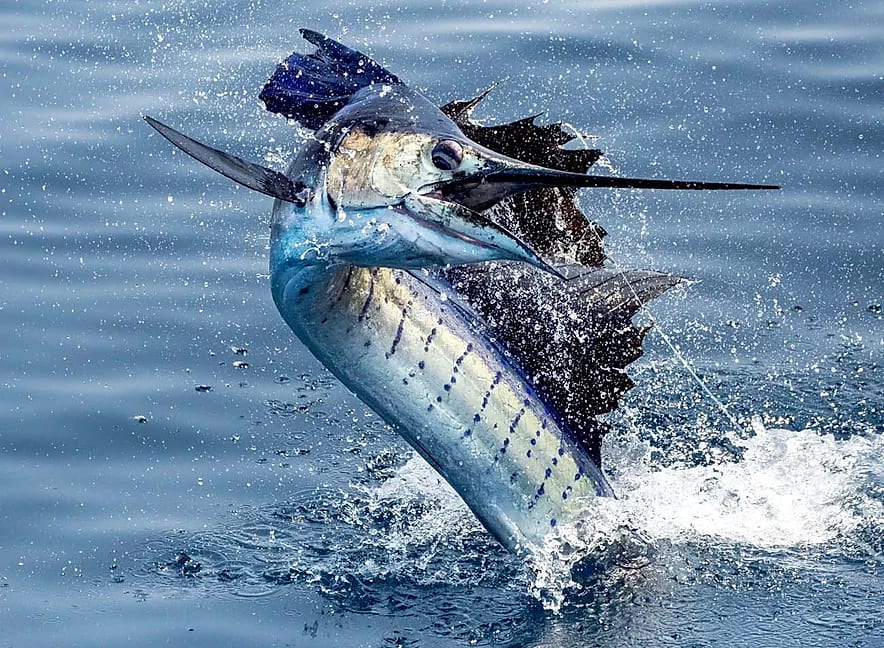
Billfish go back in the water: sailfish, marlin, roosterfish and tarpon are released here, so the photograph is the trophy. What you can keep is table fish: yellowfin tuna, mahi-mahi (the crews call it dorado), wahoo, snapper and some grouper.
There is a limit, too. A sportfishing trip may bring no more than five fish ashore for eating, and each has to weigh at least a kilo (about 2.2 pounds); anything smaller goes back. Sport-caught fish is not for sale, so whatever you keep is for your own table.
Every angler also needs a Costa Rican fishing licence. It is not part of the boat price, and it is sold at the marina on the morning of the trip.
At the dock: fillet it, bag it, freeze it solid
Not every crew cleans and fillets the catch, so ask when you book whether yours will fillet and bag it at the dock. Fillets in zip-lock or vacuum-sealed bags pack flat, freeze faster and travel far better than whole fish.
Then freeze them solid: not chilled, frozen all the way through. Charter crews will tell you there is no service in Costa Rica that packs and ships fish home for you, so plan to carry it yourself, and give it time. Fish landed the afternoon before an early flight may not be frozen through by morning, which is a good reason to fish early in the trip.
For the cooler, bring a hard-sided, leak-proof one from home or buy a plastic one at a supermarket here. Skip polystyrene: Southwest, for one, does not accept Styrofoam coolers at all. Tape the lid shut before you check it in.
One frequent traveller's trick: freeze a few sealed bottles of water and pack them between the bags of fillets. They keep everything cold, and they will not spill the way loose ice does.
At the airport
The cooler goes in as checked luggage. Keep the fish out of your carry-on unless your airline specifically allows it.
Leave out loose ice. US airport screening (TSA) wants ice packs completely frozen; partly melted, with liquid in the bottom, they will not be allowed. Gel packs frozen solid are the simplest answer.
Dry ice is possible, but fussy. Where an airline allows it, the usual limit is 2.5 kg (5.5 lb) per person, in a vented package marked as dry ice with its weight. Not every airline allows it: Southwest, for example, does not take dry ice on international flights.
Airlines carry perishable food at your own risk, and their rules are not all the same. Read your own airline's page on frozen food and coolers before you pack, and again the week you fly.
Landing in the United States
Declare the fish on your customs declaration and tell the officer. Declare it and you face no penalty, even if something is refused; leave it off and you risk a penalty and losing the fish.
For fillets you plan to eat there is no wildlife paperwork. The US Fish and Wildlife Service exempts fish brought in for human consumption, as long as the species is not endangered or otherwise protected, and tuna, mahi-mahi, wahoo and snapper are not.
Plan for one more step if your route home connects inside the US. You collect the cooler at the first airport, clear customs and check it in again, so it goes through screening a second time. It needs to be just as frozen there, with no water in the bottom, as it was when you left.
Or eat it here
Not everything has to fly. Coconuts by The Falls, our restaurant, will cook what you bring back from the boat; arrange it with us before you sail. A fish that was in the ocean that morning is hard to beat at dinner.
If the day is not booked yet, we book two boats. The Cowboy runs a full-day offshore charter and a half-day inshore trip, and the Double Nickel fishes offshore. Our sportfishing season page has the tournament calendar and the fishing packages.
Rules change, and airline rules change most often, so check yours close to the day you fly. The rest is the easy part: a good day on the water, and tuna in the freezer at home.