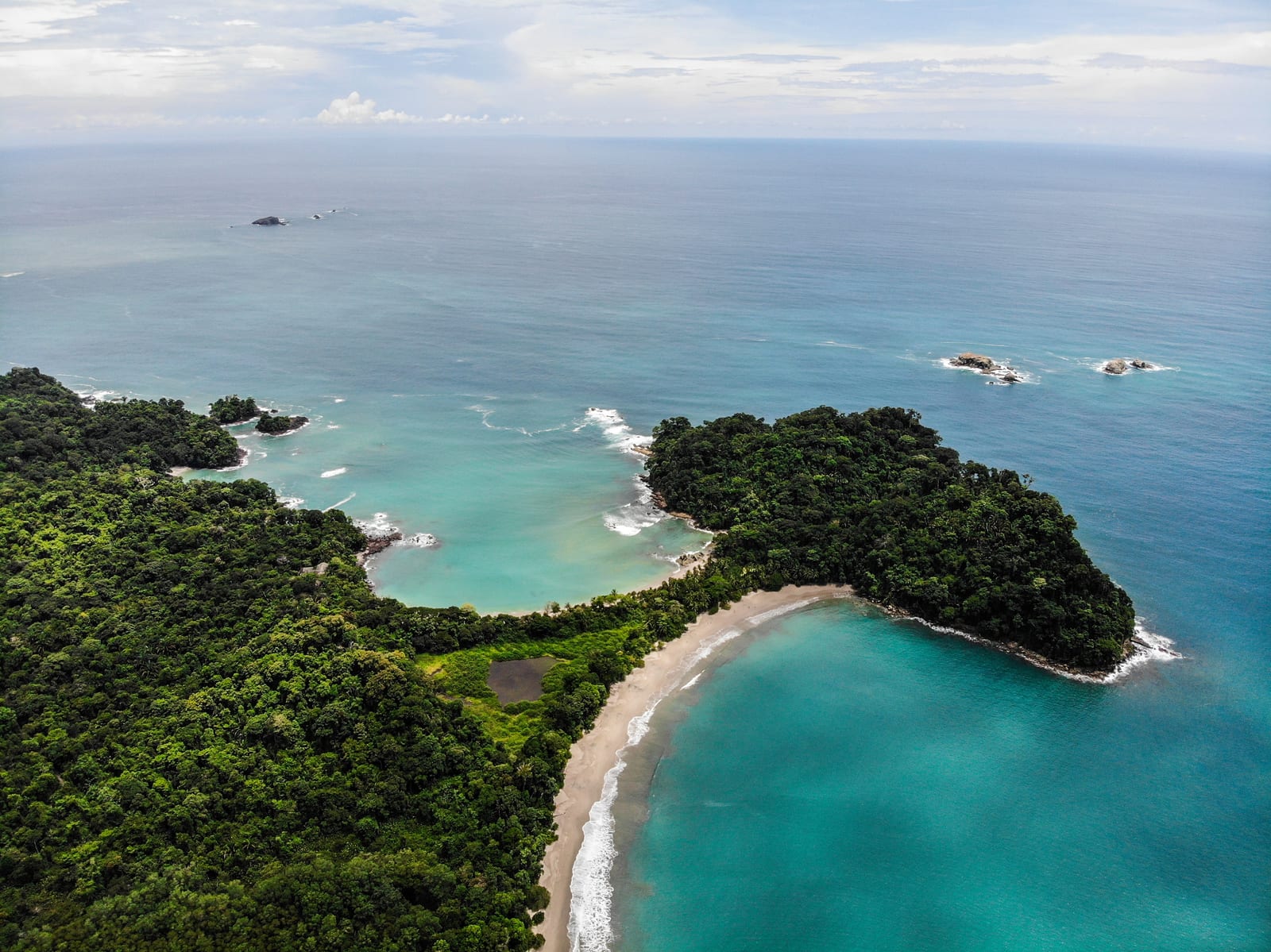
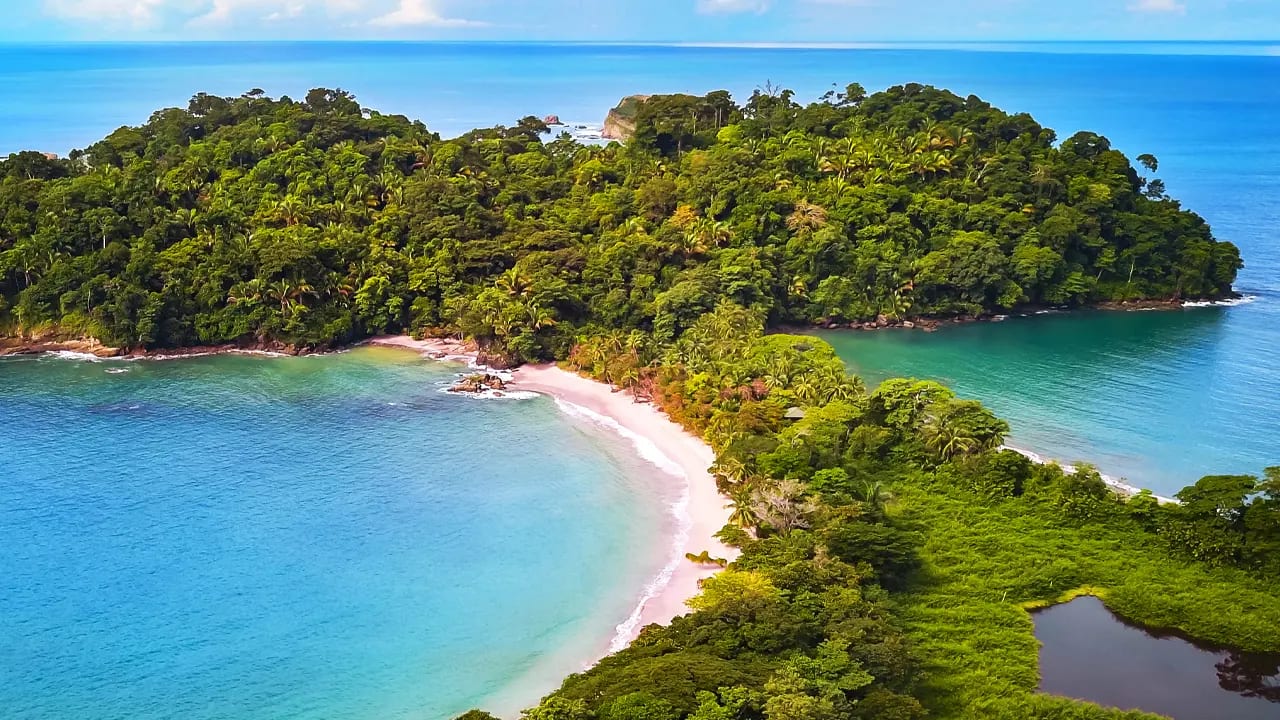
Manuel Antonio National Park, on the Pacific coast of Costa Rica, is a small park with an outsized reputation. It protects rainforest, a run of coastline and a much larger marine area offshore, and it is the reason most people come to this stretch of coast in the first place. Its ecosystems run from forest to mangrove to reef, and you can walk between them in a morning.
Why visit Manuel Antonio National Park
The park packs an unusual amount into a short walk. There are beaches you can swim from, trails that stay walkable for most fitness levels, and wildlife that is genuinely easy to see rather than theoretically present. Whether you are here to watch birds, to swim, or simply to be somewhere green and quiet for a few hours, it delivers. It is also actively managed for conservation, so visiting it is not at odds with protecting it.
Planning your trip
The best time of year to go
The dry season, December through April, is the classic window: warm, sunny, and reliable for both trails and beaches. The park is open year round though, and the wet season from May to November has real advantages, with thinner crowds and a forest that looks its best. Expect afternoon showers if you come then, and know that September and October are the wettest months on this stretch of coast.
How to get there
Getting here is straightforward. Quepos is a drive of about two and a half to three hours from San Jose, heading out on Route 1, onto Route 27 through the Central Valley, then south on the Costanera Sur, Route 34, which tracks the coast. Direct buses run from San Jose if you would rather not drive, and there are short domestic flights into Quepos airport, a few minutes from the park road.
Exploring the park
What people come to see
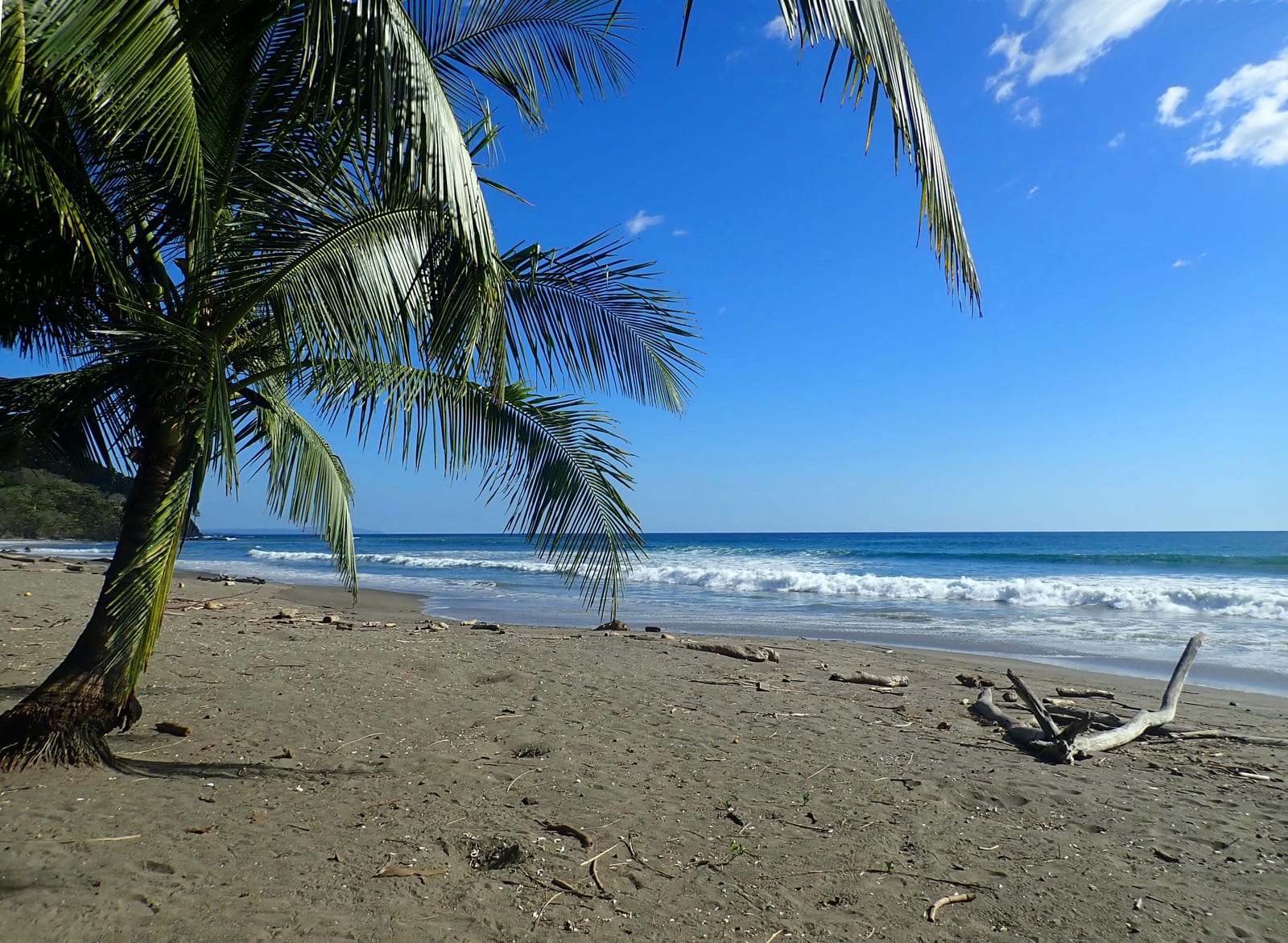
The beaches are the headline: Playa Manuel Antonio and Playa Espadilla Sur are both inside the boundary and both worth the walk in. The forest behind them holds monkeys, sloths and a long list of birds, and the trails climb to viewpoints that open out over the coastline and the jungle behind it.
The trails
The trails are well kept and suit a range of fitness levels. Sendero Principal is the main artery, an easy walk through the forest that feeds the beaches and the viewpoints. Punta Catedral is the harder one, with steep sections and ocean views that earn them. The Perezoso trail, named for the Spanish word for sloth, is the one to walk slowly with your eyes up.
The beaches
Playa Manuel Antonio, the main beach inside the park, is a curve of pale sand under forest and is the calmest and safest water in the area for swimming. Playa Espadilla Sur, next door and also inside the park, is quieter, though the currents there are stronger. Playa Gemelas and Playa Puerto Escondido are smaller and more hidden, also inside the boundary. Playa Biesanz is another quiet favourite, but note that it sits just OUTSIDE the park near Punta Quepos, is free to visit, and is reached by a short trail off the road.
The wildlife
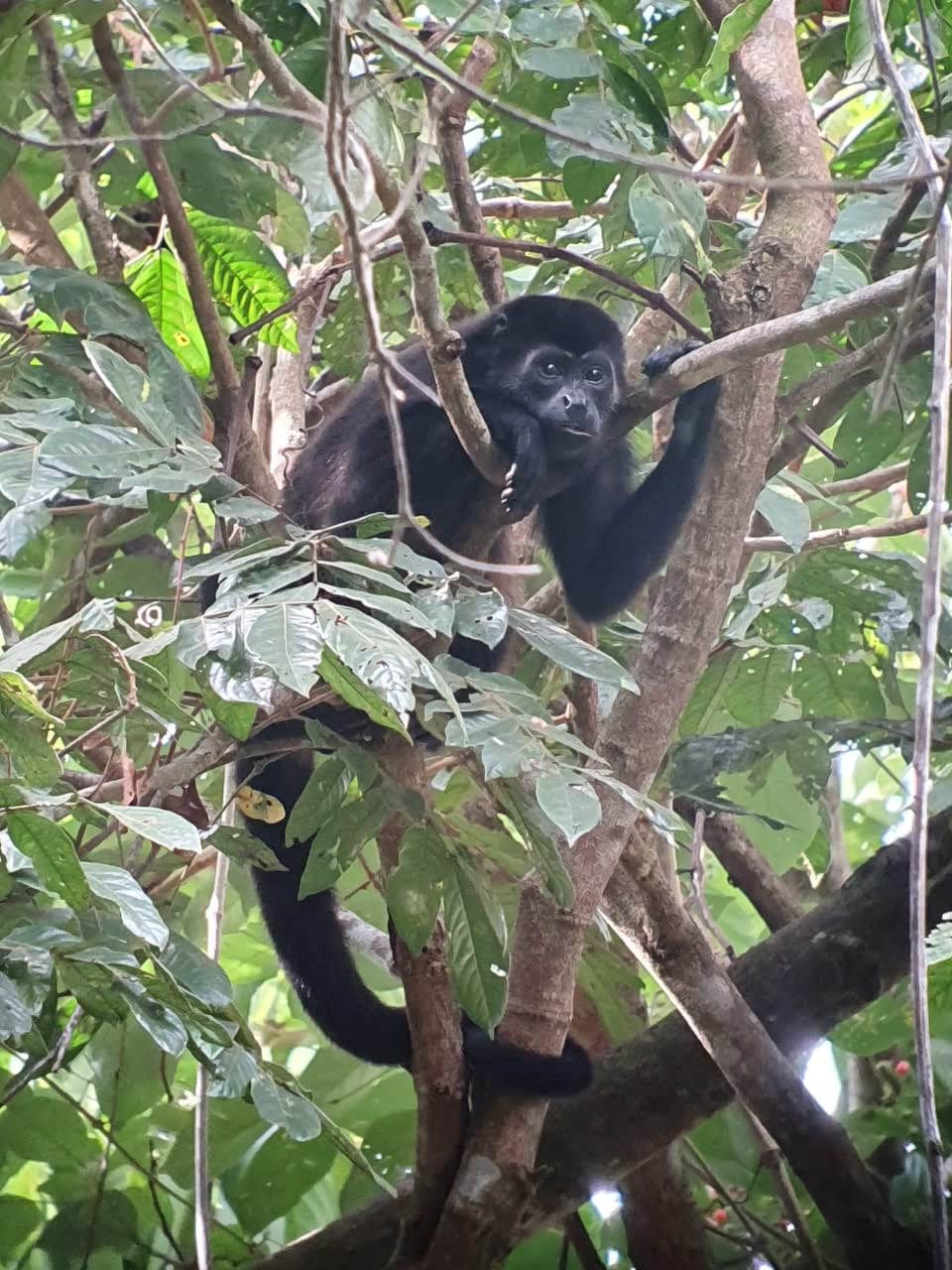
This is the reason most people are here. White-faced capuchins are the ones you will almost certainly meet, often at closer range than you expected. Howler monkeys announce themselves before you see them, and the squirrel monkey, the rarest of the three, turns up in the canopy if you are patient. Sloths, iguanas and coatis are all regulars. Birdwatchers do very well here. Offshore, the marine section of the park takes in dolphins, migrating whales and rocky reef.
Activities and adventures
On and in the water
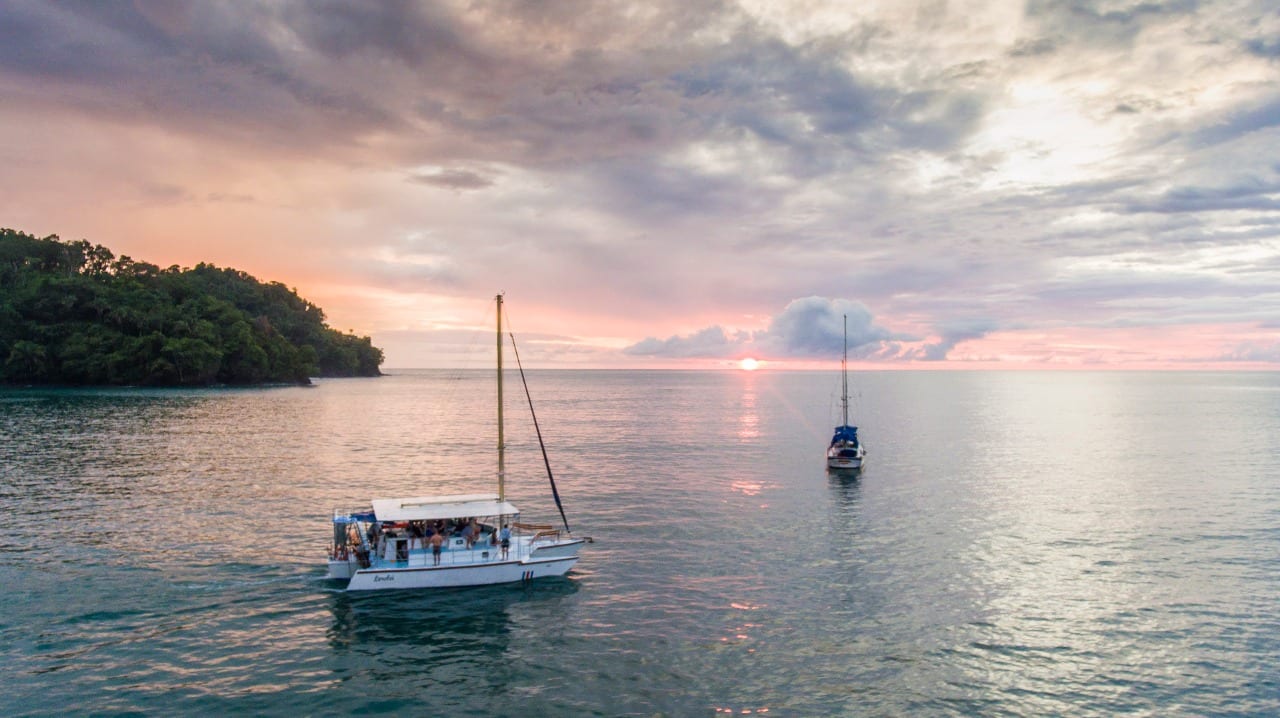
It helps to know which water activities happen inside the park and which do not. Inside the boundary, the activities are walking the trails and swimming at the beaches: snorkel trips, dive boats, kayaks, surfboards and coolers are not permitted. Snorkelling and diving run out of Quepos instead, most often as full day trips to the Cano Island Biological Reserve, and mangrove kayaking happens at Isla Damas. Surfing is at Playa Espadilla Norte, the free public beach just outside the park entrance.
Birdwatching
Early mornings and late afternoons are the best times to be on the trails with binoculars. Fiery-billed aracaris and yellow-throated toucans are among the ones people hope for, and with luck a scarlet macaw from the small reintroduced population along this coast. A guide makes a real difference here, because most of what is in front of you is invisible until somebody points at it.
Guides and nature walks
Taking a guide is the single best decision most visitors make. They carry the scope, they know which tree the sloth was in yesterday, and they turn a pleasant walk into a morning you remember. General nature walks, dedicated birding tours and night walks in the surrounding forest are all available.
Where to stay nearby
Hotels near the park
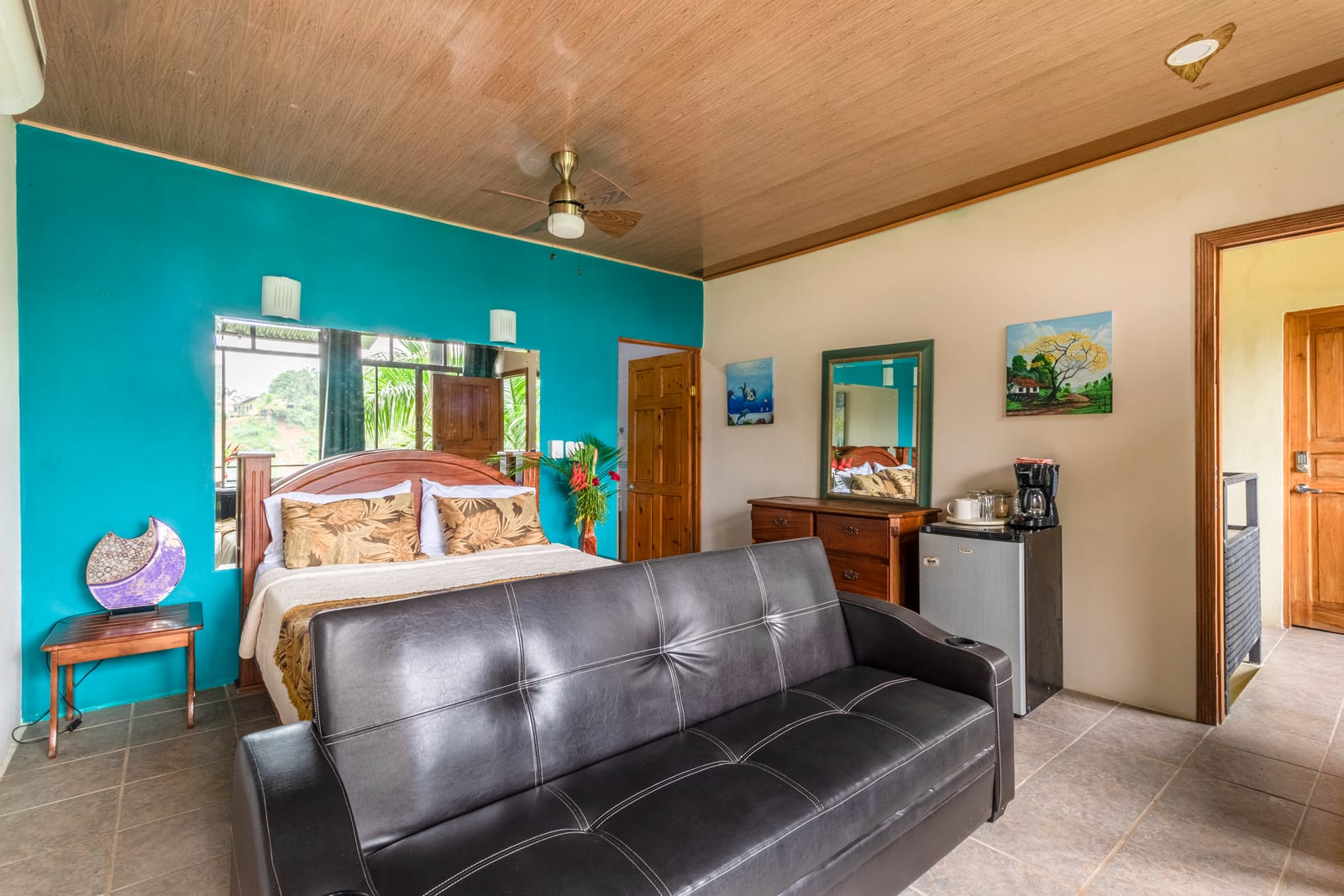
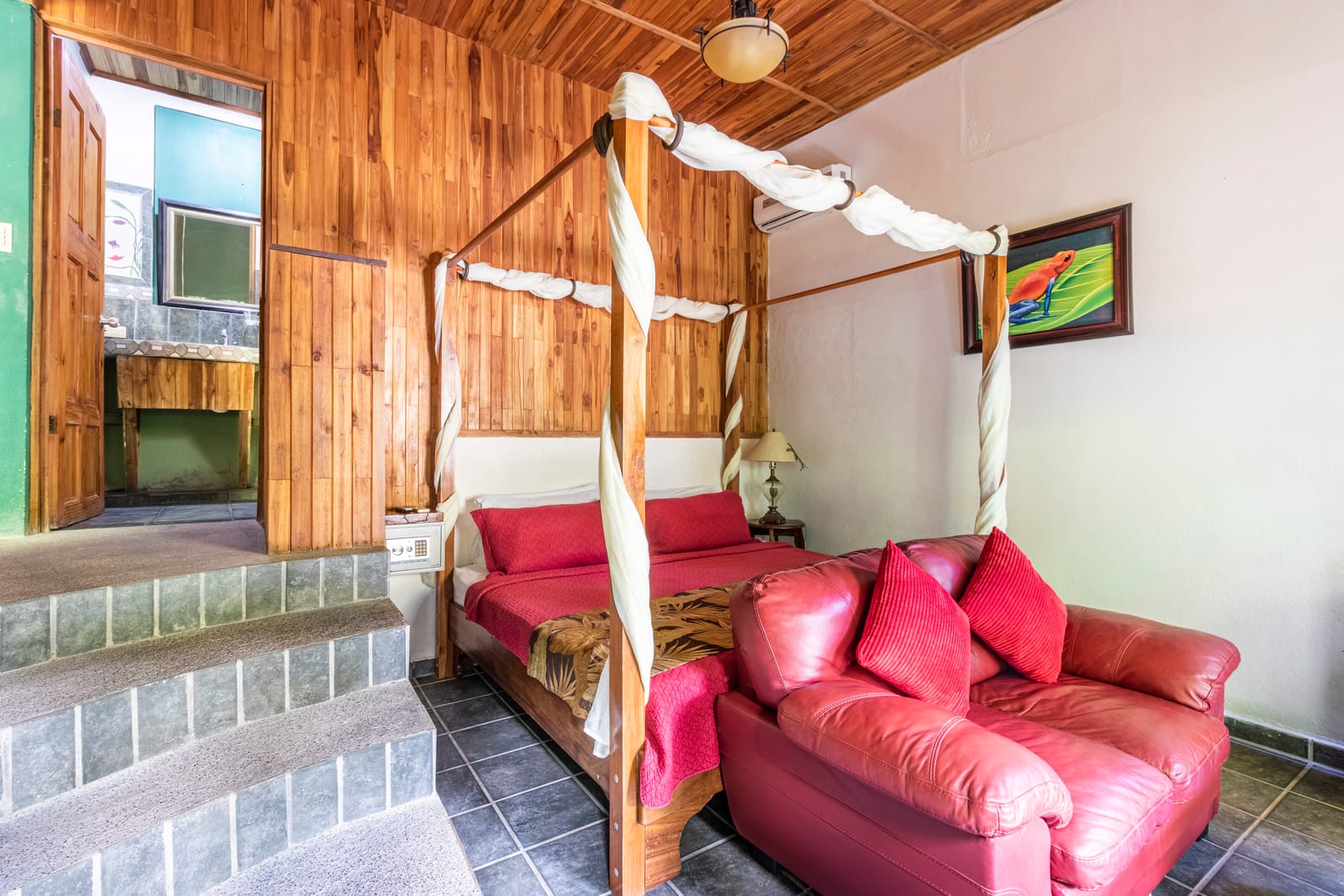
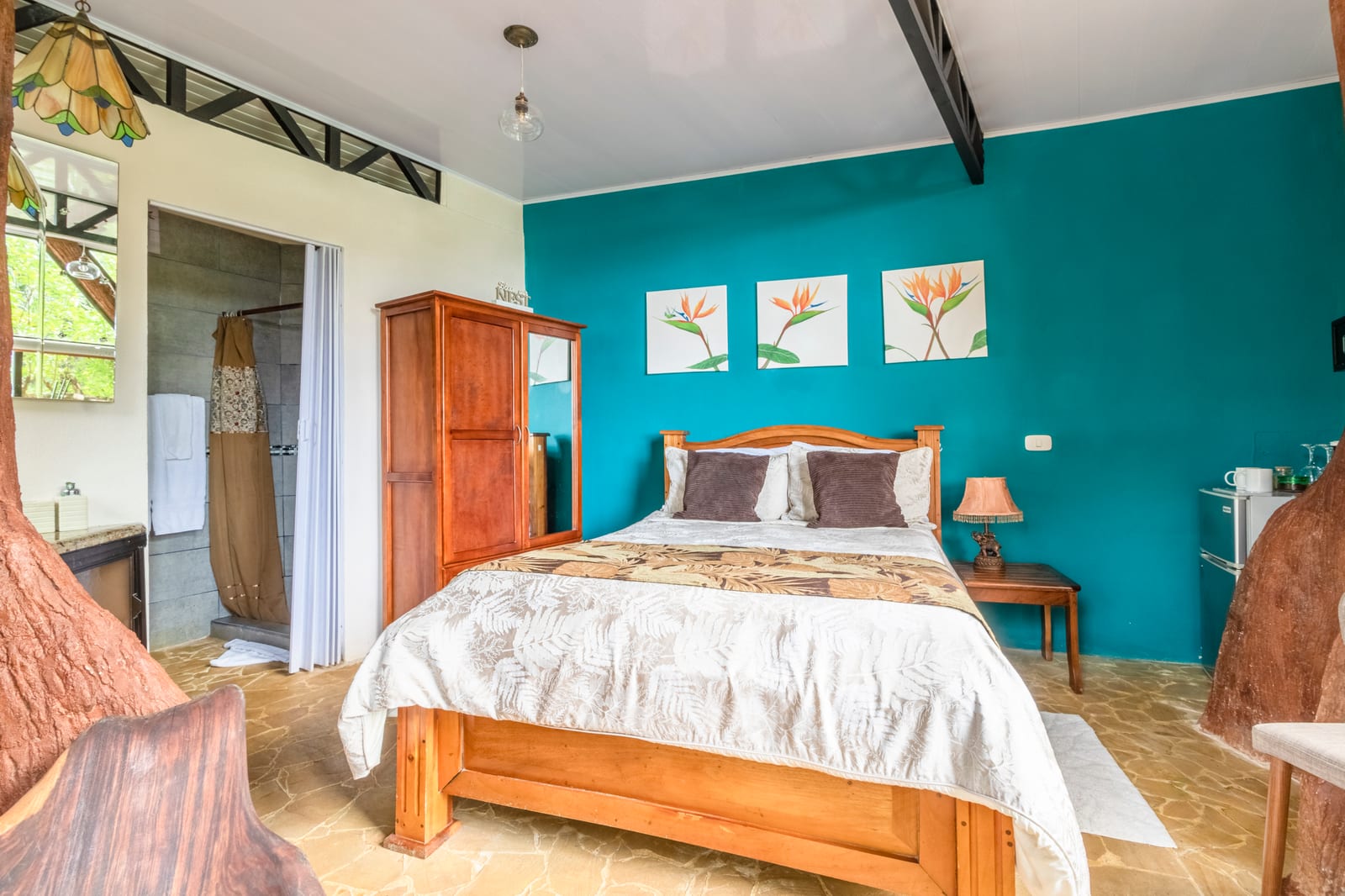
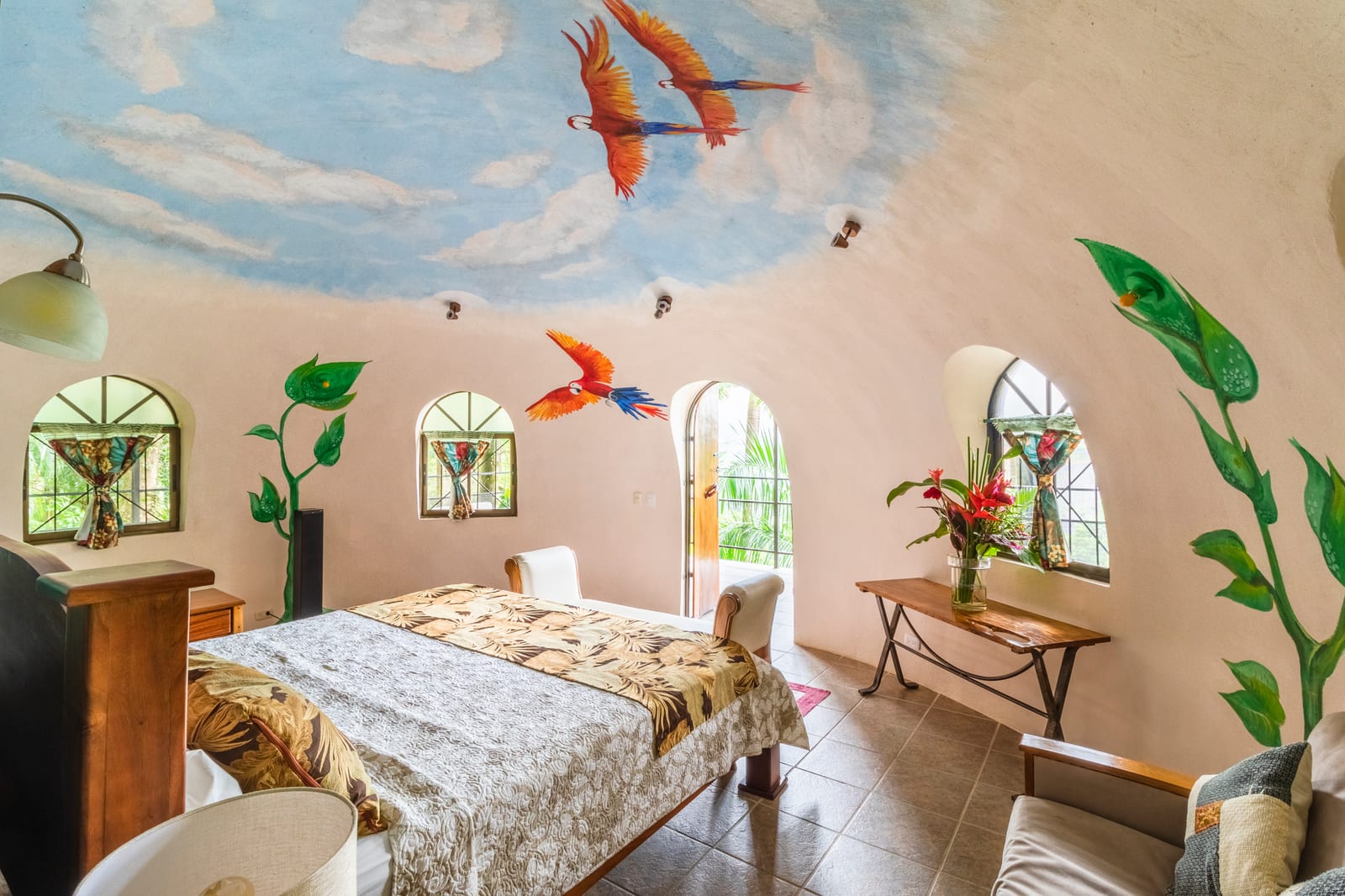
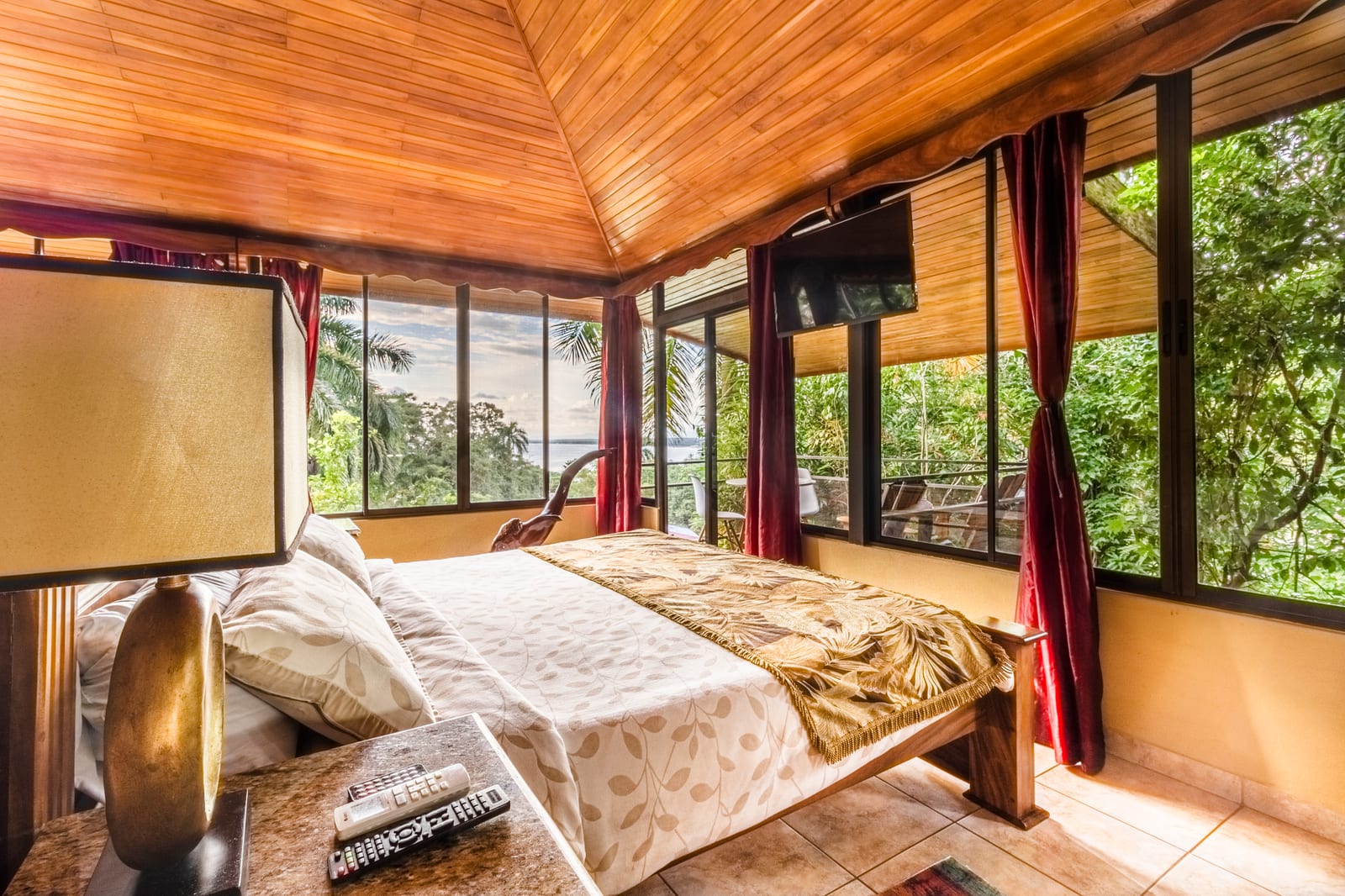
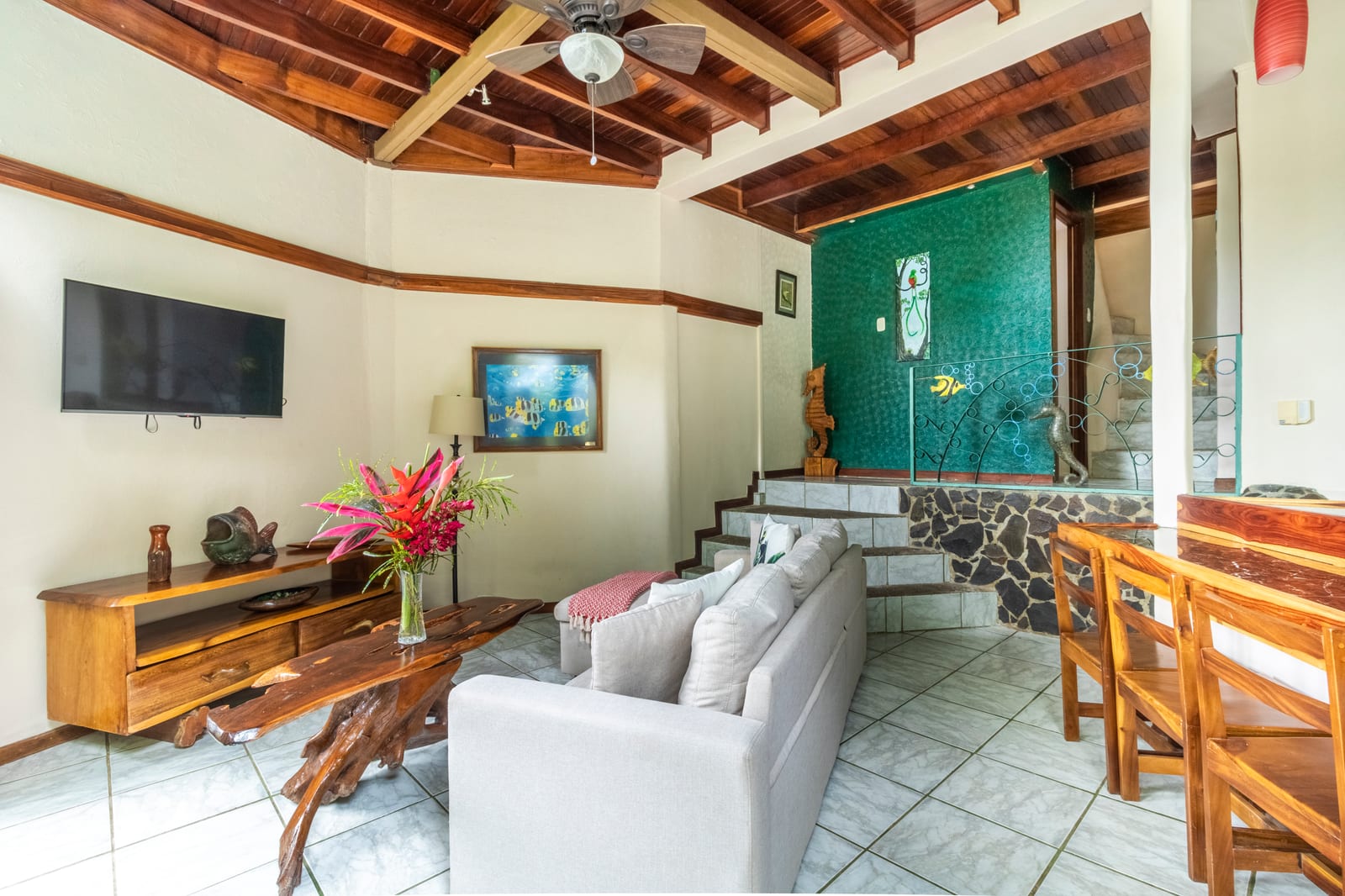
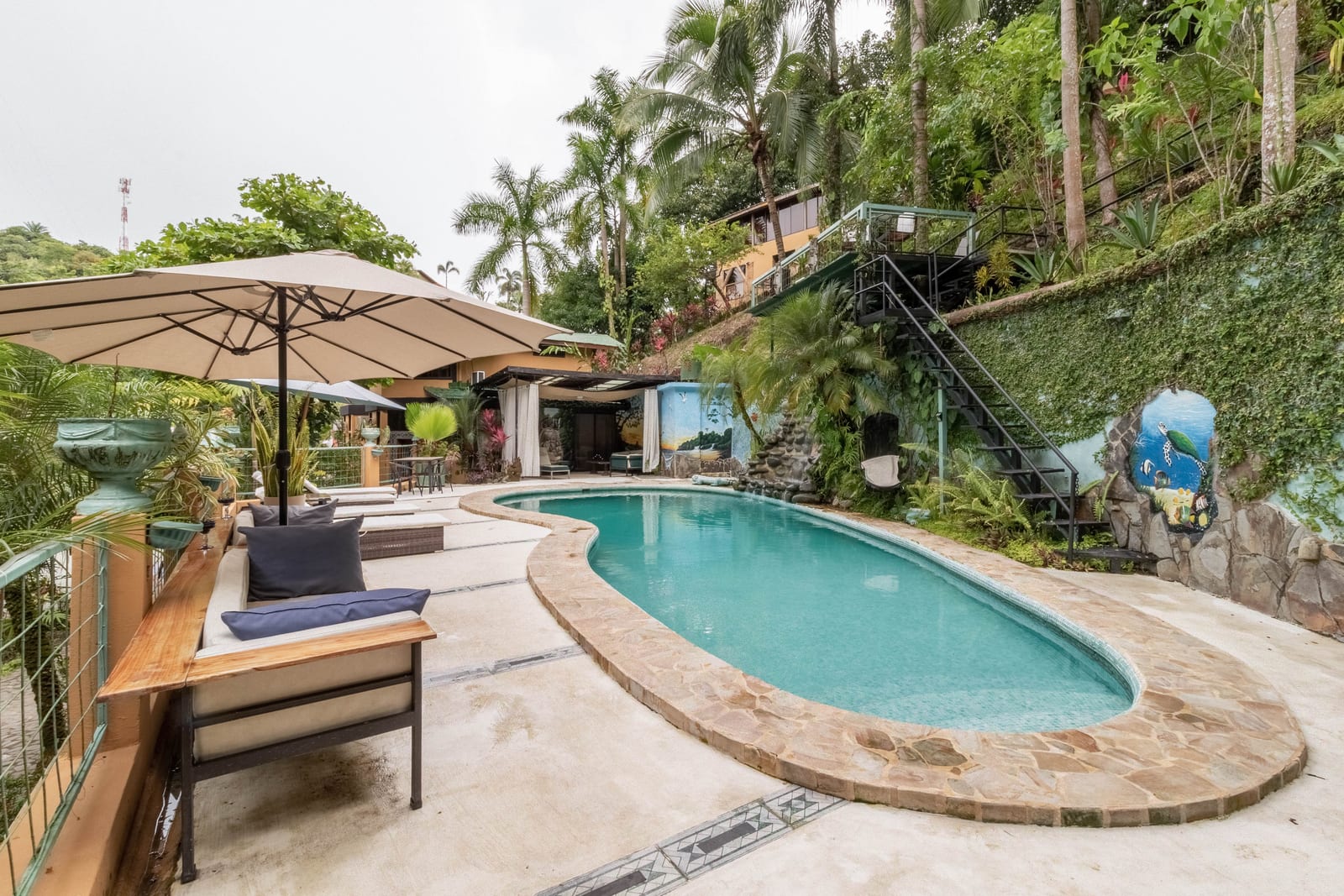
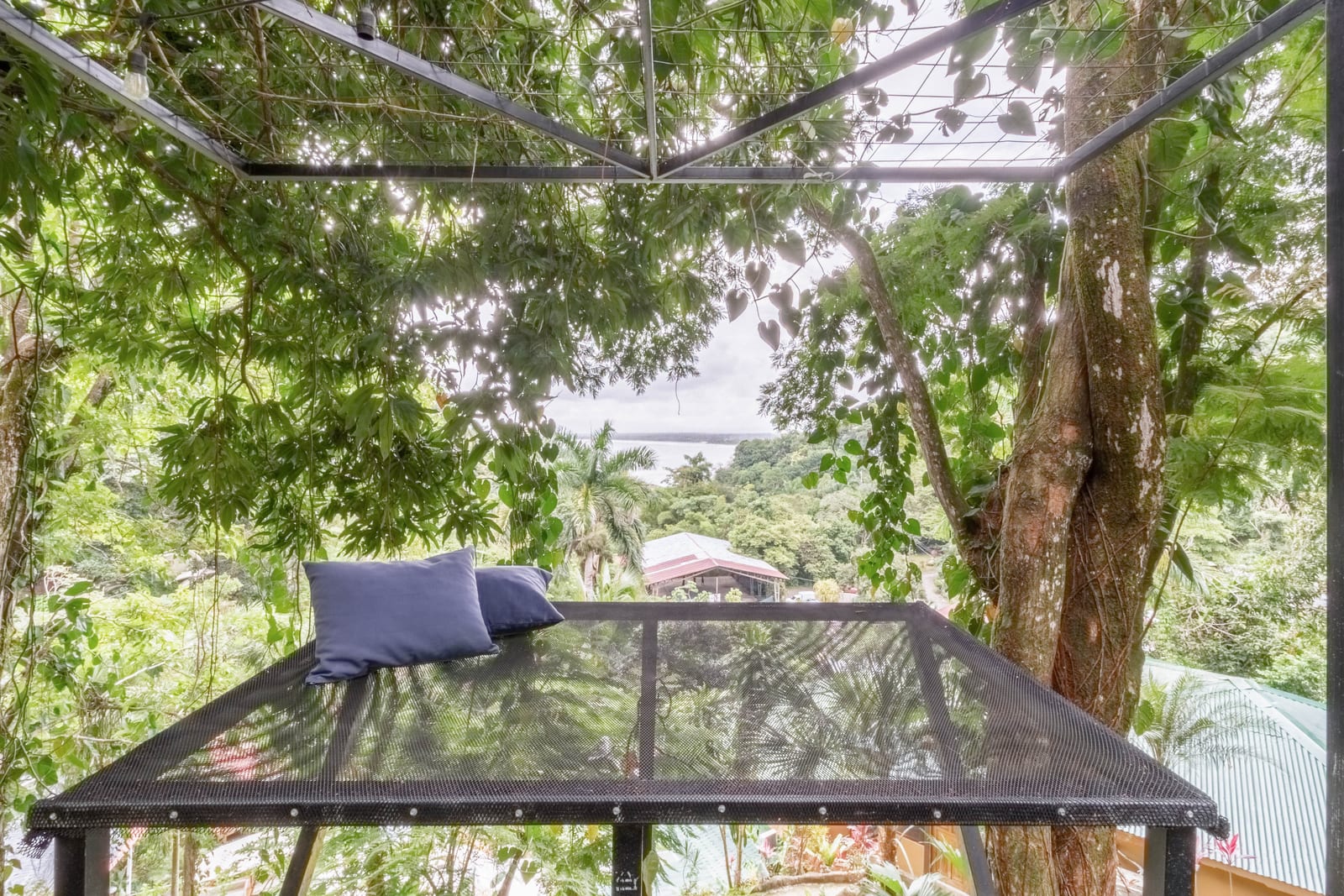
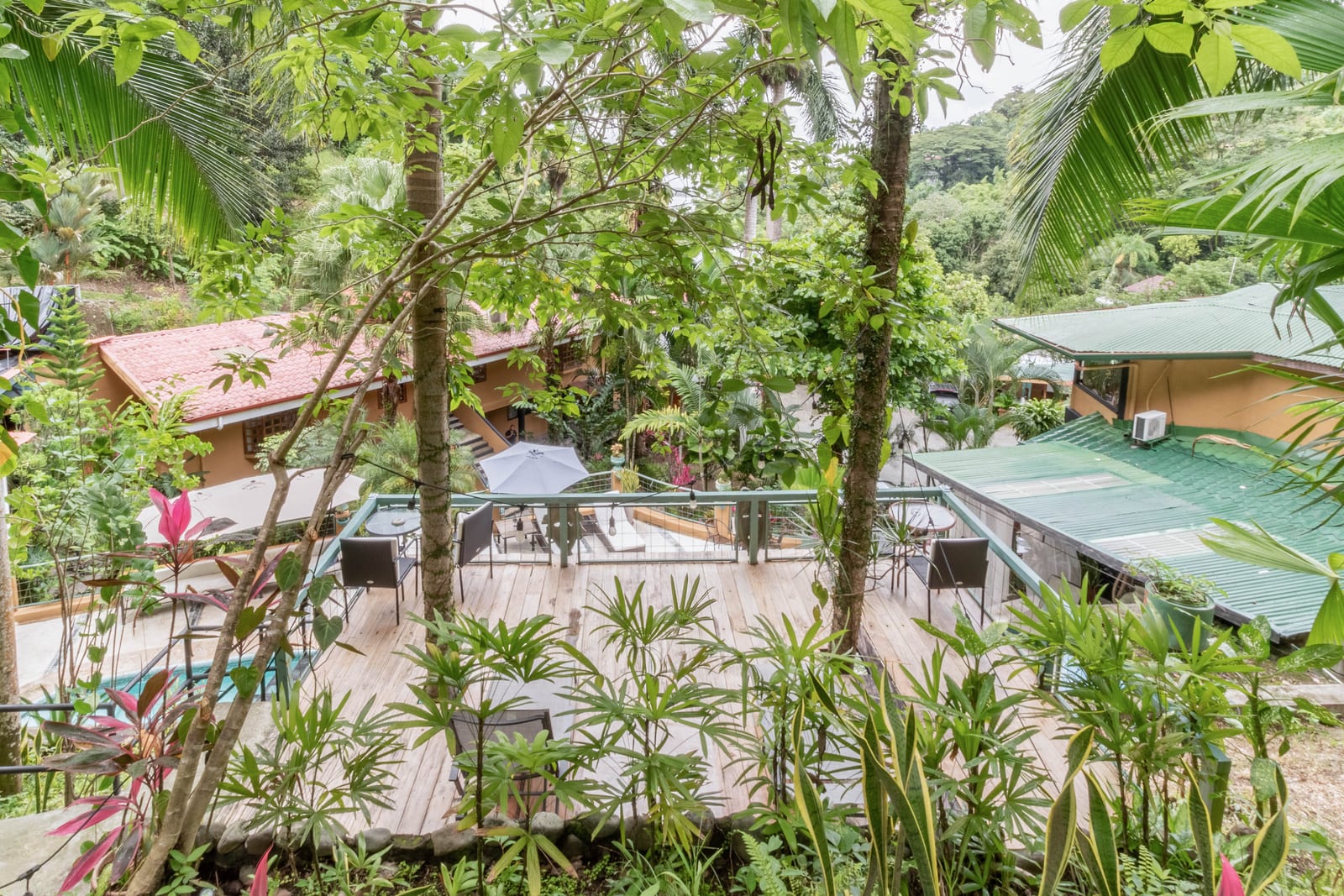
There is a wide range of places to stay within a short drive of the entrance, from large resorts to small family-run hotels. Many have ocean or jungle views, pools, and restaurants on site. Staying close means you can be at the gate early, which is when the park is at its best.
Eco-lodges and budget stays
If you are travelling on a budget or want something deeper in the trees, there are eco-lodges tucked into the forest and simpler hotels and hostels down in Quepos. Quepos is the practical base: it is the working town, so it is cheaper, and the bus toward the park runs through the day.
Eating around the park
What to order
Costa Rican food rewards the curious. Gallo pinto, rice and beans cooked together, is the standard breakfast. Casado is the everyday lunch plate: rice, beans, plantain, salad and a protein. Ceviche is everywhere and is very good here, because the fish is landed a few minutes away at the marina.
Where people eat
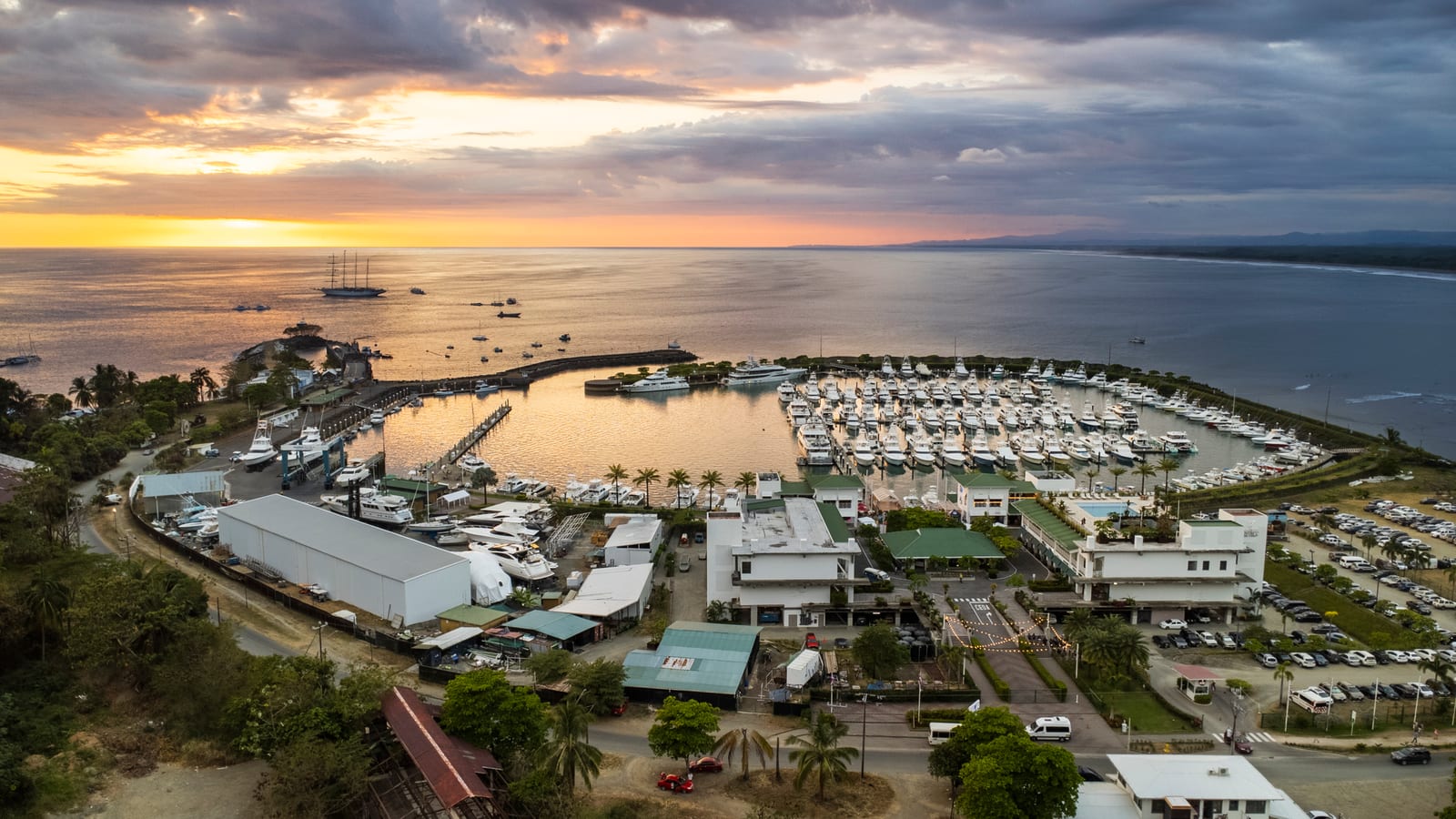
There is a cluster of restaurants along the park road and more down in Quepos and at the marina. Soda Sanchez in Quepos is the kind of place to try a casado at a local price. The restaurants down at Marina Pez Vela put you on the water, which is worth doing once. Vegetarian options are easy to find across most menus in the area.
Practical tips
What to pack
Light, breathable clothing, a hat, sunglasses and sunscreen. Shoes you can walk a few kilometres in, because the trails are packed earth and roots rather than pavement. A refillable water bottle, which you are allowed to bring in. Binoculars if you have them, and a camera. It is hot and humid year round, so carry less than you think and drink more than you think.
Staying safe
Stick to the marked trails. Keep a hand on your bag, because the capuchins are quick, entirely unafraid of people, and have worked out what a rustling daypack means. In the water, read the posted warnings and respect them: Playa Manuel Antonio is the calm one for a reason. Insect repellent is worth having. Do not feed anything, however much it asks.
Conservation
How the park is protected
The park exists to protect what is in it, and that protection is active rather than nominal: habitat is maintained, species are monitored, and visitor numbers are managed. It works with the surrounding communities and with conservation organisations, which is part of why the wildlife here is as visible as it is.
What you can do
Carry out everything you carry in. Stay on the trails. Do not feed or handle the animals, and keep your distance when they come to you, which they will. Choose operators and hotels that take the environment seriously. None of it is difficult, and collectively it is the reason there is still something here worth the walk.
Common questions
How much does it cost to get in, and where do I buy a ticket?
Tickets must be bought in advance through SINAC's official online system at serviciosenlinea.sinac.go.cr. They are not sold at the entrance, cash is not accepted there, and the name on the ticket has to match your ID. Check the current adult and child prices on that site when you book, and buy early in high season, because daily entry is capped.
Is the park open every day?
No. The park closes one day a week and keeps set opening hours, and both are set by SINAC rather than by anyone here. Check serviciosenlinea.sinac.go.cr before you plan the day, especially around public holidays. It is the single most common way a visit goes wrong, and it takes a minute to avoid.
What is not allowed inside?
Outside food is not permitted and bags are checked at the entrance, though a refillable water bottle is fine. Single-use plastic bottles, alcohol, smoking, pets, coolers and surfboards are all prohibited, as are drones without a specific permit. Feeding the animals, littering and taking anything out with you are the rules everyone is asked to keep.
When is wildlife easiest to see?
Animals are around all year, but the dry season months are generally the easier ones, and the time of day matters more than the month. Go early. The first two hours after opening are quieter, cooler and far more productive than the middle of the day.
Can you swim at the beaches inside the park?
Yes. Playa Manuel Antonio and Playa Espadilla Sur are both swimmable, and the first is the calmest water in the area. Check for posted warnings about currents before you go in.
Is a guide worth it?
Yes, and it is the one thing almost every visitor says afterwards. A guide with a scope will show you animals you would have walked straight past.
Before you go
Manuel Antonio is a small park that gives back far more than its size suggests. Go early, take a guide, carry water, and check the opening day before you commit to it. If you would like the morning arranged rather than researched, you can book through Toorizta or ask our own concierge, who has been booking guides and tours along this coast for thirty years and is happy to sort it out for you.