









Traveling to Costa Rica offers a chance to unwind on stunning beaches, explore lush rainforests, and enjoy vibrant local culture. Yet, like any destination, it requires some preparation to ensure your vacation stays relaxed and free of stress. As someone born and raised here in Manuel Antonio, I know a few key safety tips that make all the difference for visitors. Here's what I've observed around popular spots like Manuel Antonio to help you enjoy every moment without worry.
Stay Alert but Relaxed in Popular Tourist Areas
Manuel Antonio is one of Costa Rica's most visited destinations, famous for its national park and beautiful beaches. While it feels safe and welcoming, petty theft can happen, especially in crowded areas. Staying aware of your surroundings and keeping valuables out of sight goes a long way in avoiding trouble.
- Use a small daypack or money belt to carry essentials.
- Avoid displaying expensive jewelry or electronics on the beach.
- When walking around town, keep your phone and wallet in front pockets or zipped bags.
Local vendors and guides are generally friendly and honest, but it is wise to confirm prices beforehand to avoid misunderstandings. Ask your hotel staff, who can point you at safe spots and reliable transport.
Choose Transportation Wisely for Peace of Mind
Getting around Costa Rica can be part of the adventure, but safety varies by mode of transport. Selecting the right one keeps your trip smooth and stress free.
- Taxis: use official red taxis with meters, or arrange rides through your hotel. Avoid hailing taxis on the street late at night.
- Shuttle services: many hotels arrange shuttles, which are more comfortable than public buses and run door to door. Buses themselves are normal, widely used transport; the main caution is keeping valuables on your person rather than in the overhead rack or hold.
- Car rentals: if you rent a car, choose a reputable company and avoid driving at night on rural roads. Roads near beaches and national parks can be narrow and winding.
Planning transportation in advance, especially for trips to remote beaches or national parks, gives you confidence and saves time.

Protect Your Belongings at the Beach and Beyond
Costa Rica's beaches are a major draw, but they also require extra caution with your belongings. Visitors lose things when they leave bags unattended, even for a moment.
- Always keep your valuables close or locked in your hotel safe.
- Bring only what you need to the beach: a towel, sunscreen, water, and a small amount of cash.
- Use waterproof pouches for phones and keys.
- Avoid leaving bags unattended, even for a short swim.
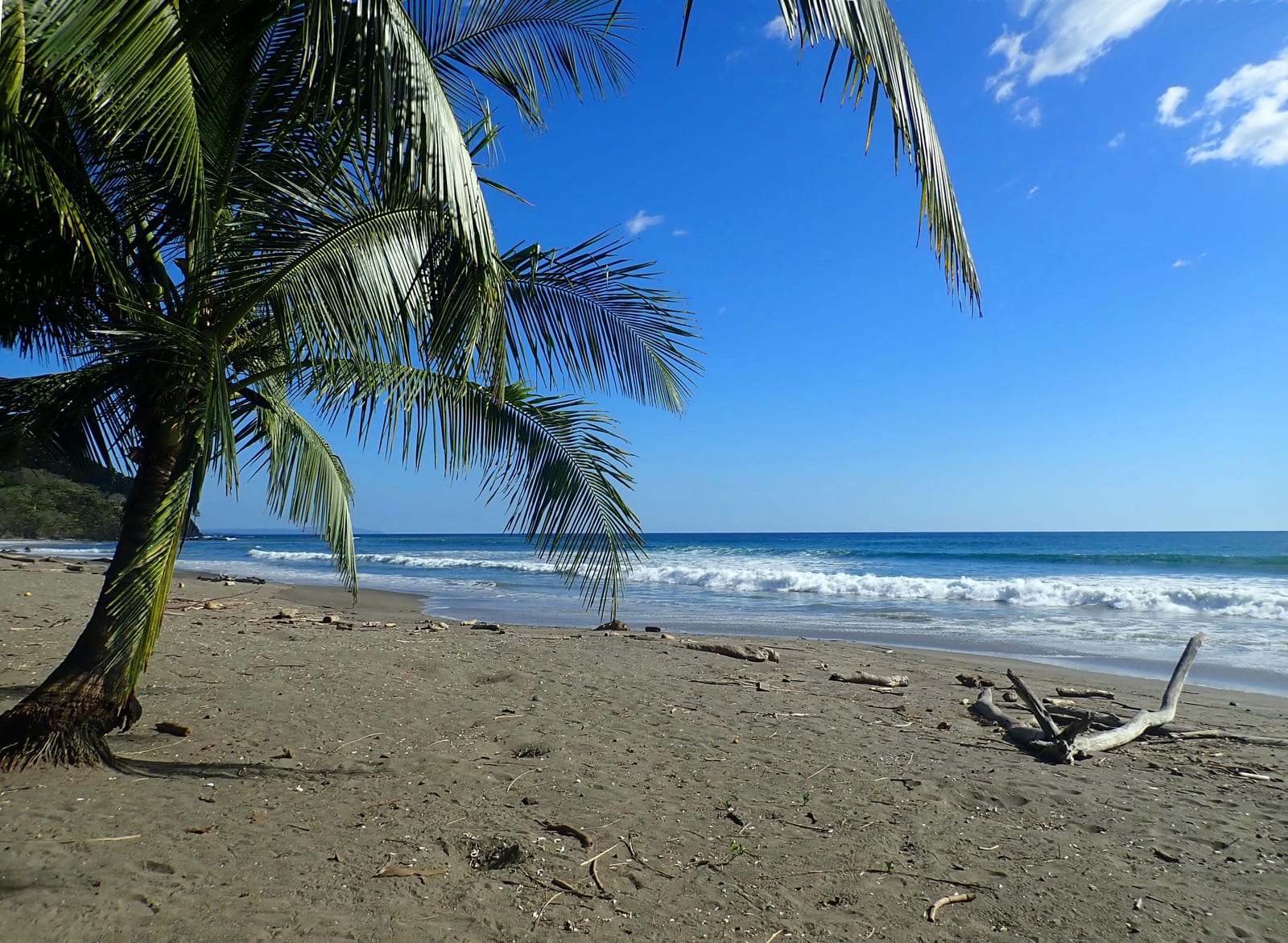
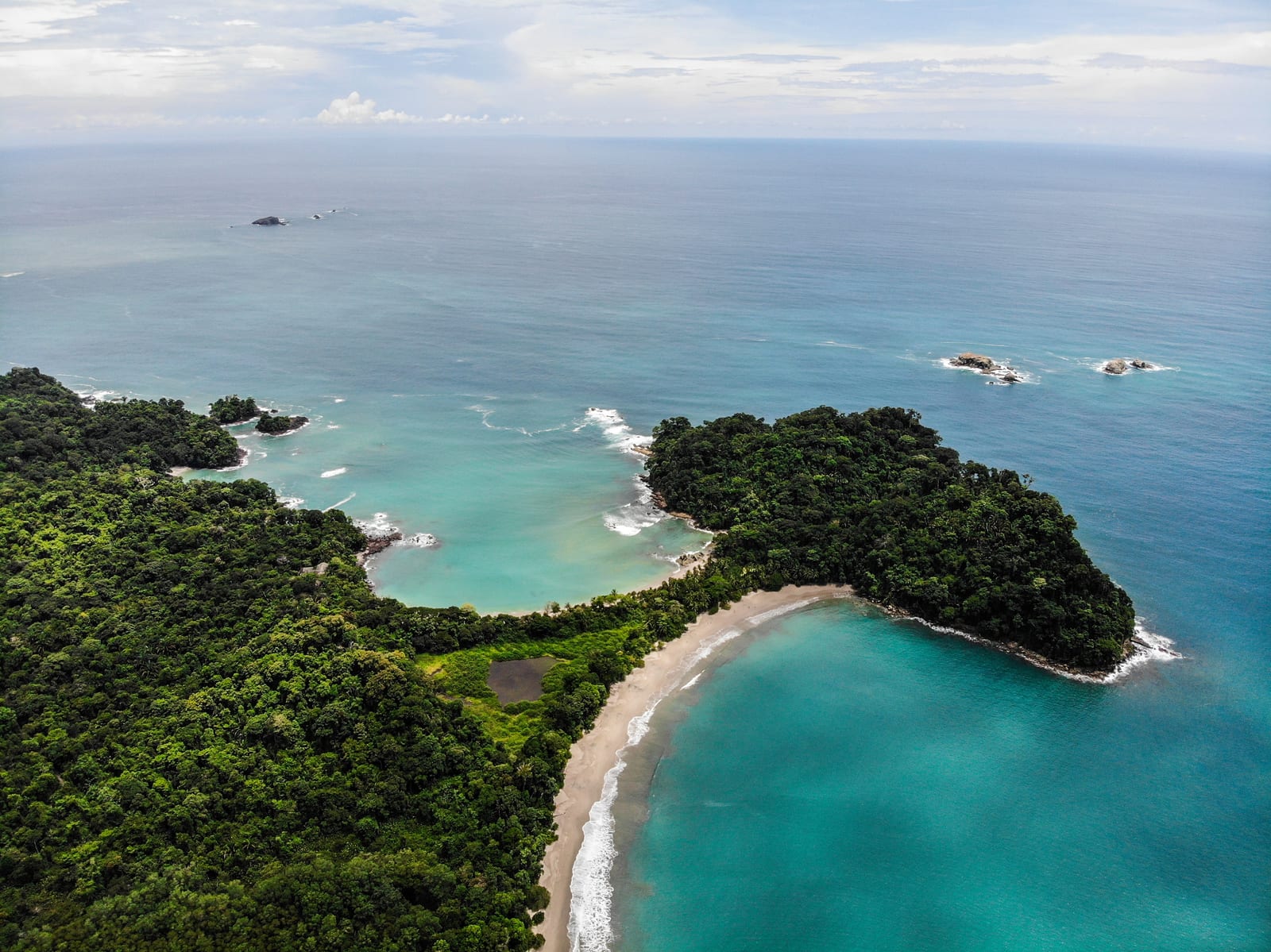
If you are staying near the beach, ask about secure storage or lockers. One thing matters even more than theft: rip currents cause the large majority of drownings on Costa Rican beaches, and much of Playa Espadilla has no lifeguard. Swim near a lifeguard station where one is posted, never swim alone, and if you are caught in a rip current, do not fight it. Swim parallel to the shore until you are out of it, then angle back in. Playa Manuel Antonio, inside the national park, is the calmest and most protected beach for swimming.
Blend In and Respect Local Customs
One tip worth sharing is to blend in rather than stand out as an obvious tourist. Costa Ricans, or Ticos, appreciate when visitors respect their culture and environment.
- Dress casually but modestly, especially in small towns.
- Learn a few basic Spanish phrases; locals respond warmly to simple greetings.
- Support local businesses by buying souvenirs and food from markets and family-run shops.
This approach reduces the chance of being singled out as an obvious visitor.
Stay Healthy and Prepared for Emergencies
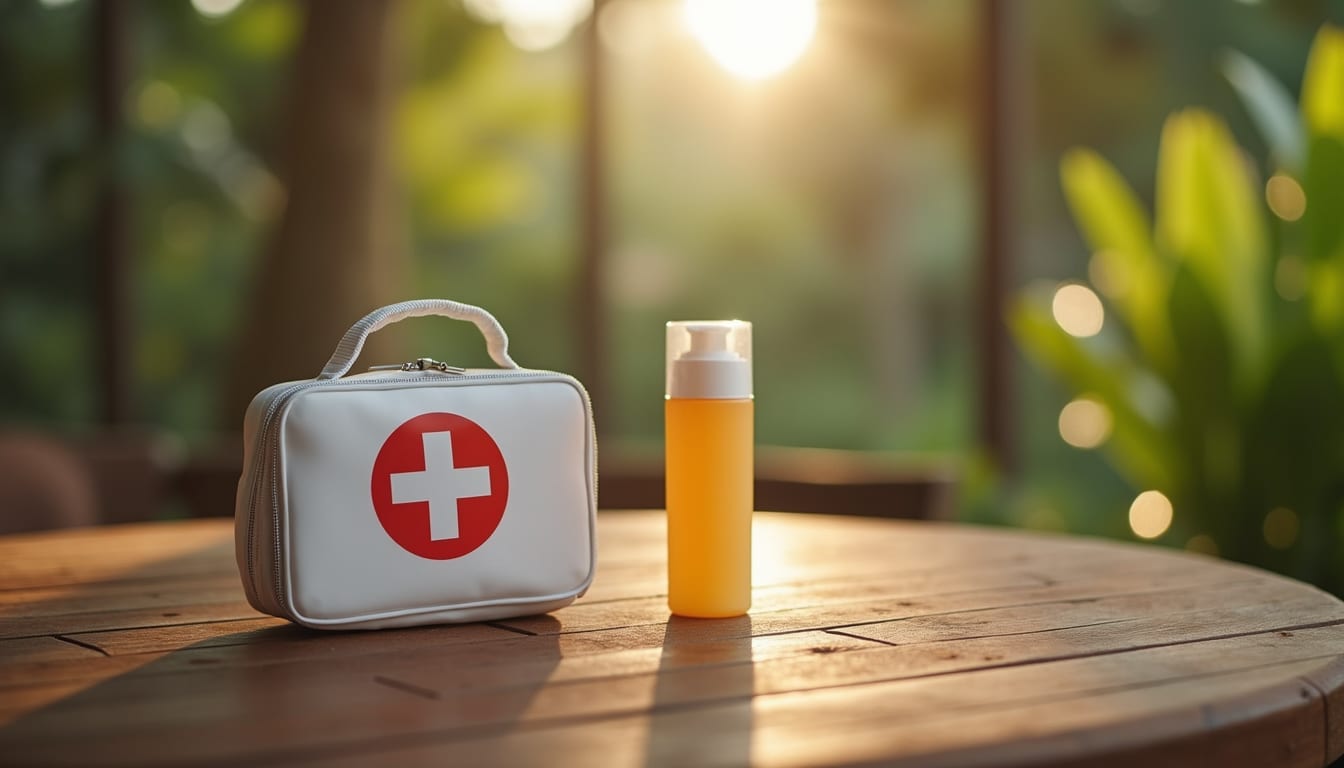
Health and safety go hand in hand. Before any excursion, pack a small first aid kit and stay hydrated in the tropical climate.
- Tap water in Quepos and Manuel Antonio is safe to drink, so bring a refillable bottle rather than buying plastic. In a few parts of the country, and at remote properties on private wells, filtered or bottled water is the safer choice.
- Use insect repellent to avoid mosquito bites.
- Apply sunscreen regularly, especially on the beaches.
- Know the location of the nearest clinic or hospital, and save Costa Rica's national emergency number: 911, which has English-speaking operators. The nearest hospital to Manuel Antonio is Hospital Max Teran Valls in Quepos.
Most hotels here will help in an emergency and can tell you where to go. Having that information before you need it is worth the two minutes it takes to ask.