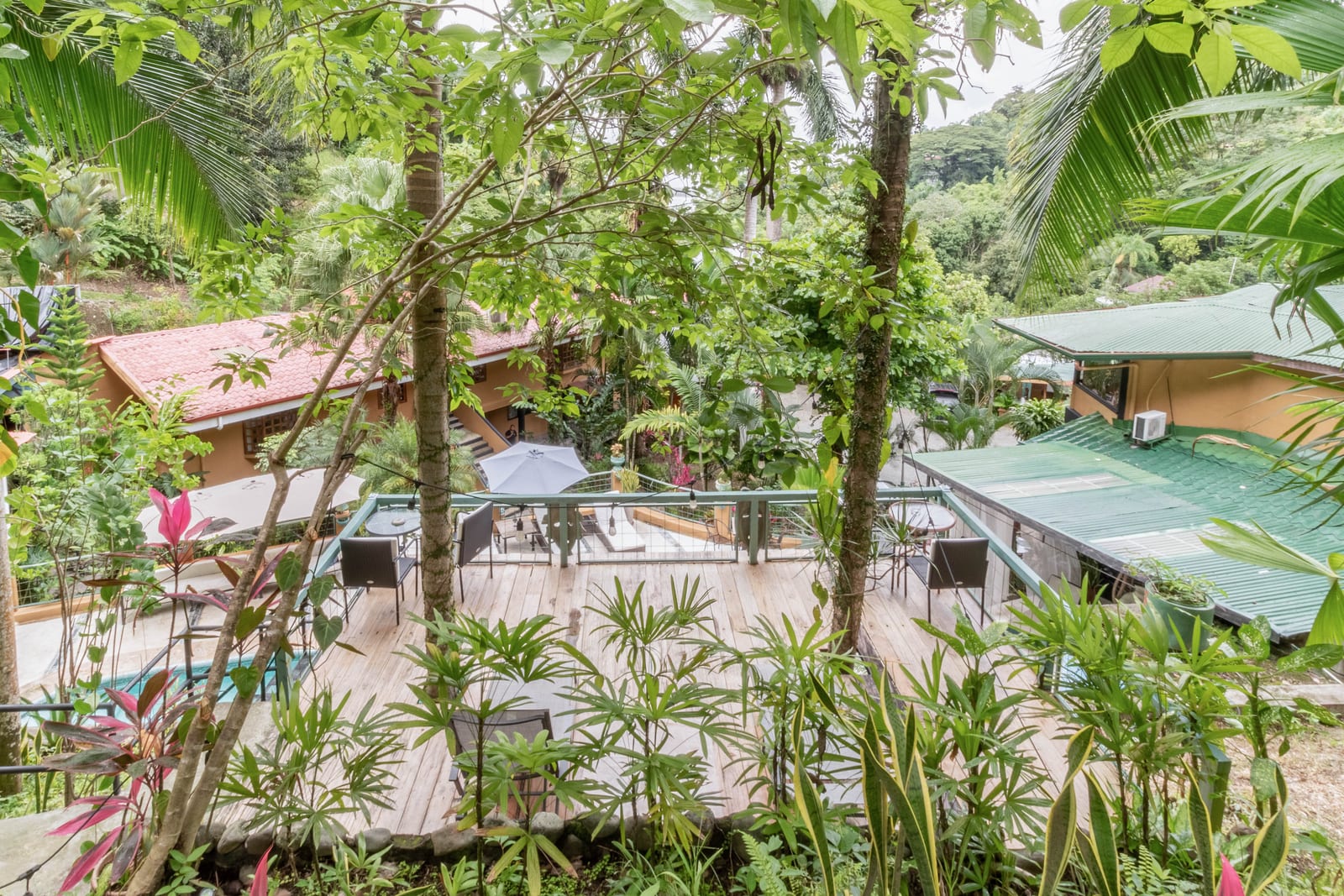
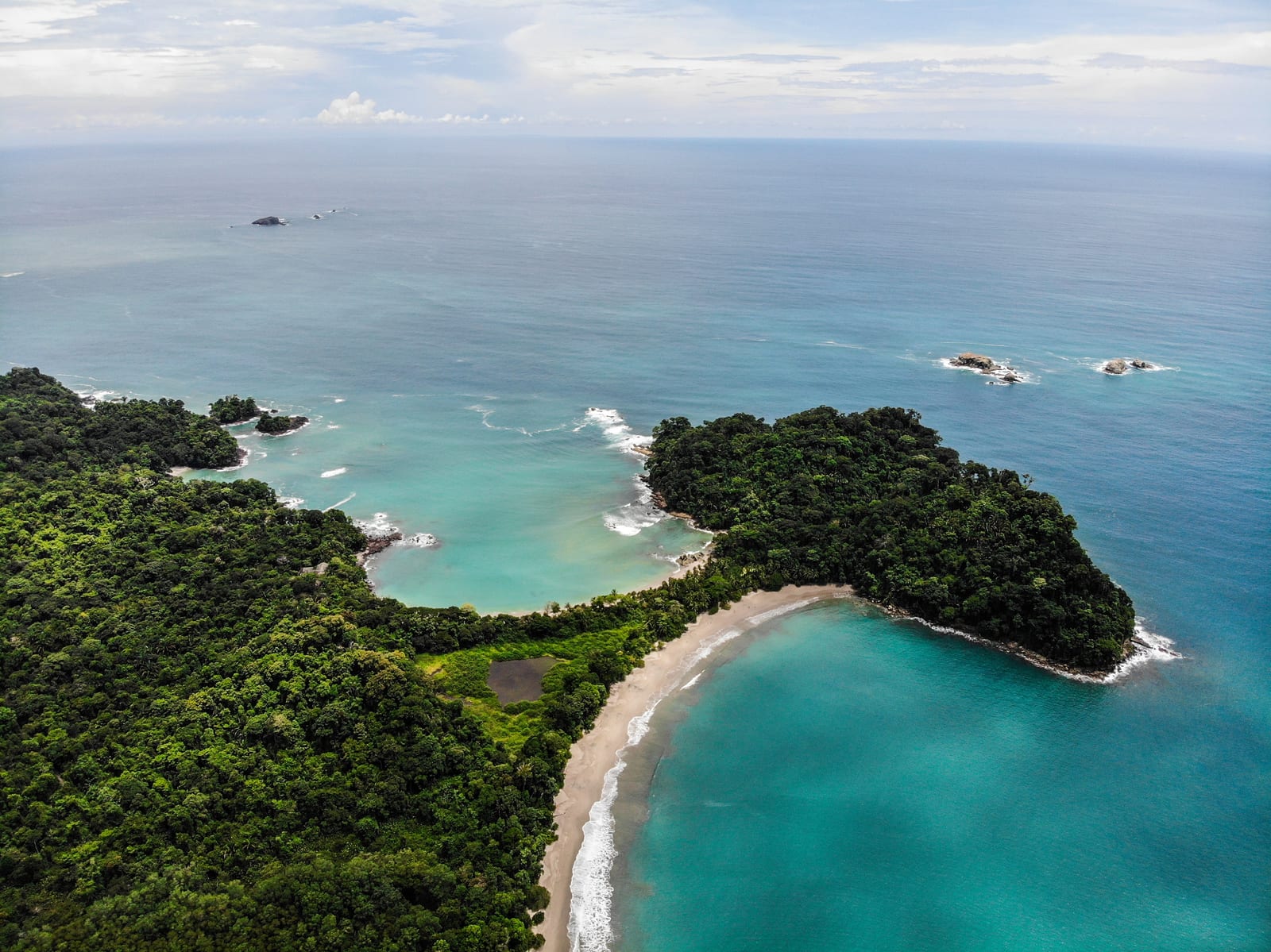
Villa Vanilla is the tour I point food lovers and families to, and the one we move people to when the rain comes. It is a working spice farm up in the hills behind Quepos at Villa Nueva, and it has been there even longer than we have. So I wanted to hear its story from the people who run it today, Jennifer and Kristopher Karczynski.
It started with their father
The farm was founded in 1987 by their father, Henry Karczynski. "He had training in business administration and a great deal of experience working with small farmers and non-governmental organisations on agricultural development projects," they told us, work that took him across the Caribbean and Central America. Through it he came to know, in their words, "the potential of tropical agriculture", and the importance of sustainable farming alternatives for rural communities.
What made him stay was the land itself. When he arrived he found "an extraordinary combination of natural conditions: a tropical climate, abundant rain, fertile soil and impressive biodiversity." It is hard to picture now, but as they remind us, "at that time, this area was much more rural and isolated than it is today." He put down roots with a different idea: "to grow high-quality tropical spices, respecting natural cycles and showing that farming can coexist with the conservation of nature." Nearly four decades later, they count Villa Vanilla among the pioneering vanilla farms in Costa Rica.
Is it still a family farm? "Yes, Villa Vanilla is still a family business," they said. Henry's children run it now, "continuing to develop the project our father started in 1987," and their commitment, as they put it, is "to preserve his legacy" and keep sharing "the fascinating process behind growing and processing spices" with visitors from all over the world. We are a family business too, started by my parents in 1994, so that is the part of their story I connect with most.
A flower that will not wait
The vanilla is the heart of it. Vanilla is an orchid, and what amazes me is how little time each flower gives you. "Each flower stays open for only a few hours in the morning," they explained, "so pollination has to be done by hand, at the right moment. It is work that needs a lot of attention and dedication, because we cannot wait until the next day."
When it flowers depends on the weather and on how mature the plants are, but here it usually happens "during the transition between the rainy and the dry season, although it can vary from one year to the next." They tell us they have about 10 to 15 hectares of vanilla, with plants of different ages. How many flowers is that in a season? There is no neat number, it "changes considerably every season", and that is rather the point: "each flower has to be tended individually."
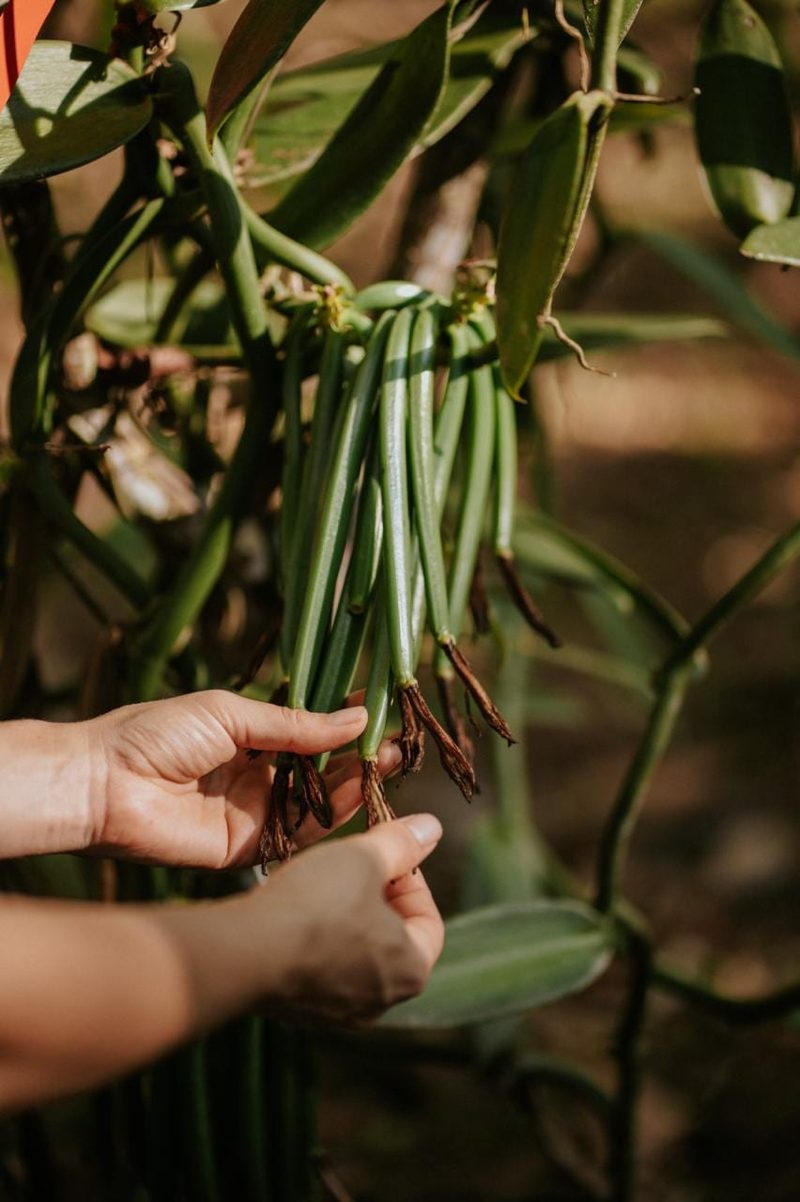
Then comes the part most of us never think about. "Freshly harvested pods don't have the characteristic aroma we all associate with vanilla," they told us. "It is through a careful process of curing, drying and conditioning that they develop their aromas and flavours." That, as one of them sees it, is what surprises visitors most: "all the work behind a spice that people usually only know as a finished product in a jar in the kitchen." The same is true of many of the other spices they grow, from true Ceylon cinnamon to cacao, black pepper, allspice and turmeric, each with its own harvest and its own process.
Their own summary of the tour is the line I would put on the gate: "It is much more than looking at crops: it is discovering the farming, the science, the patience and the craft behind every flavour."
Spice to table
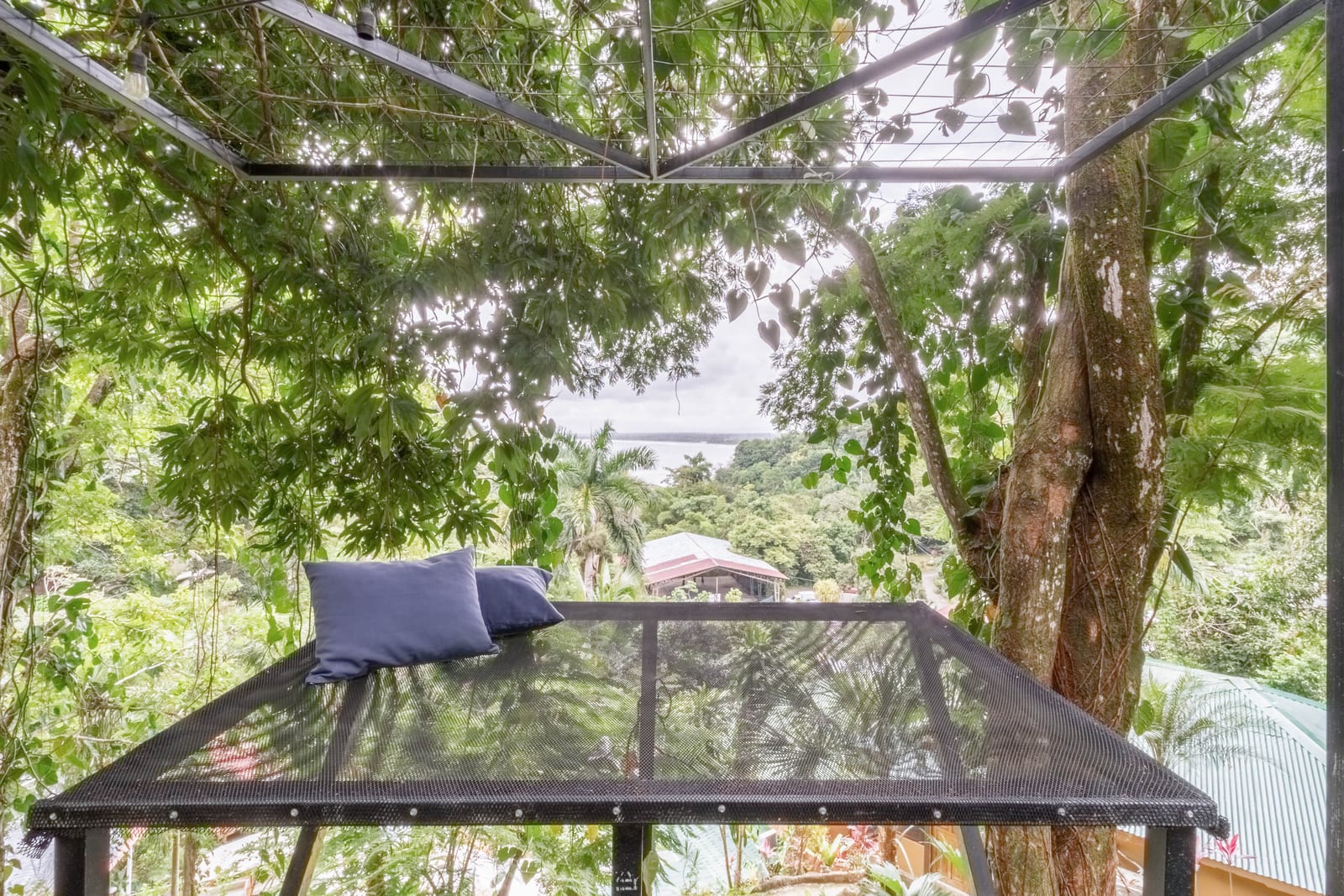
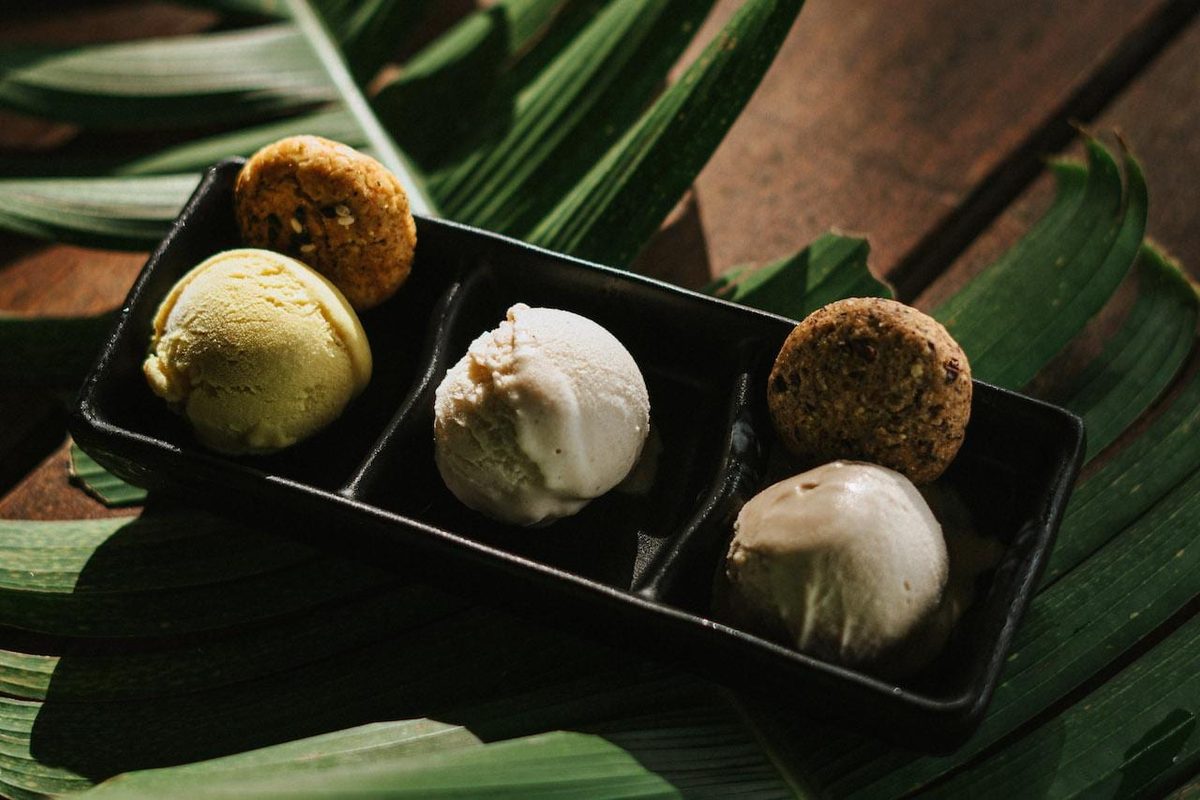
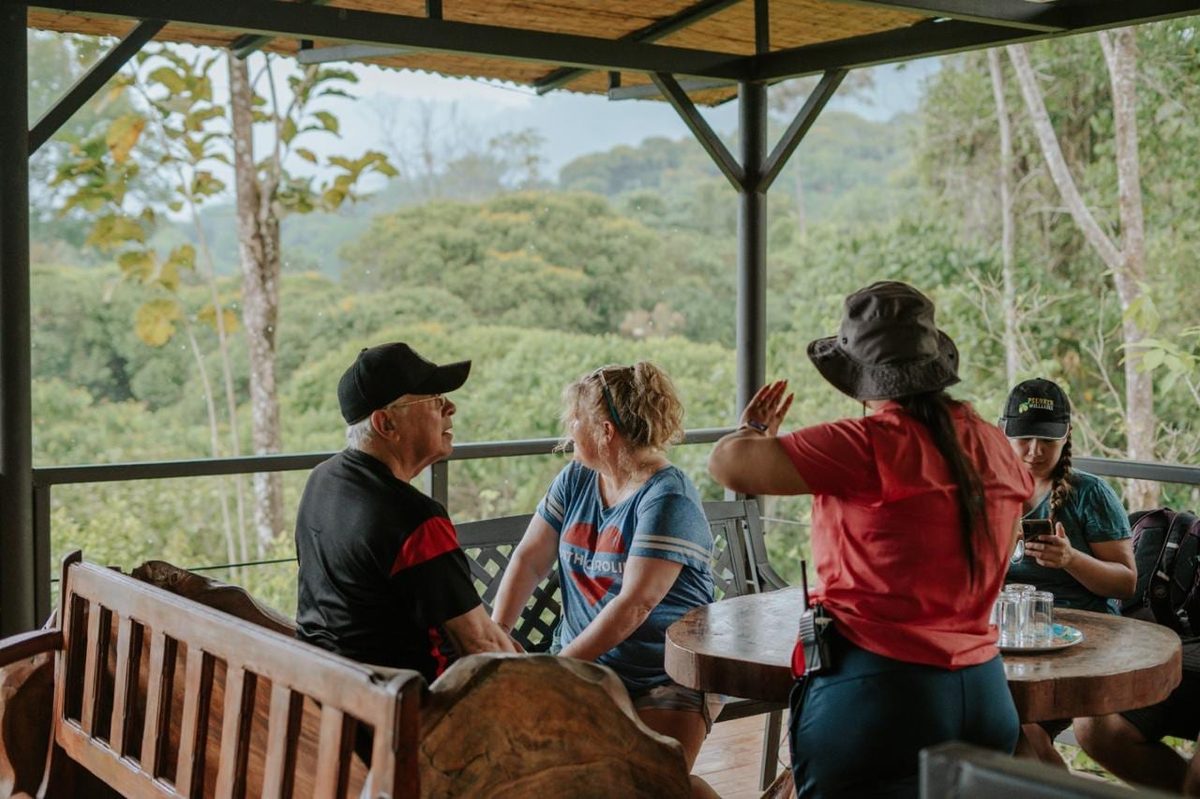
The walk ends at a viewpoint over the forest, under cover, with a tasting, and of course I wanted to know what is on it. "Our tasting has a changing menu," they said, depending on what ingredients they have and what they are making on the farm. They call the idea "spice-to-table", their own take on farm-to-table: "instead of simply serving products made with agricultural ingredients, we look to bring the spices we grow directly into preparations our visitors can enjoy." Depending on the day that can be artisan ice cream, queque (cake), cookies, teas, or "hot chocolate made with real cacao", among other things.
And the favourite? "If I had to choose one, it would definitely be our vanilla ice cream, made with vanilla grown and processed on our own farm. It is a simple but extraordinary way to appreciate the true flavour of vanilla." I would save room for it :)
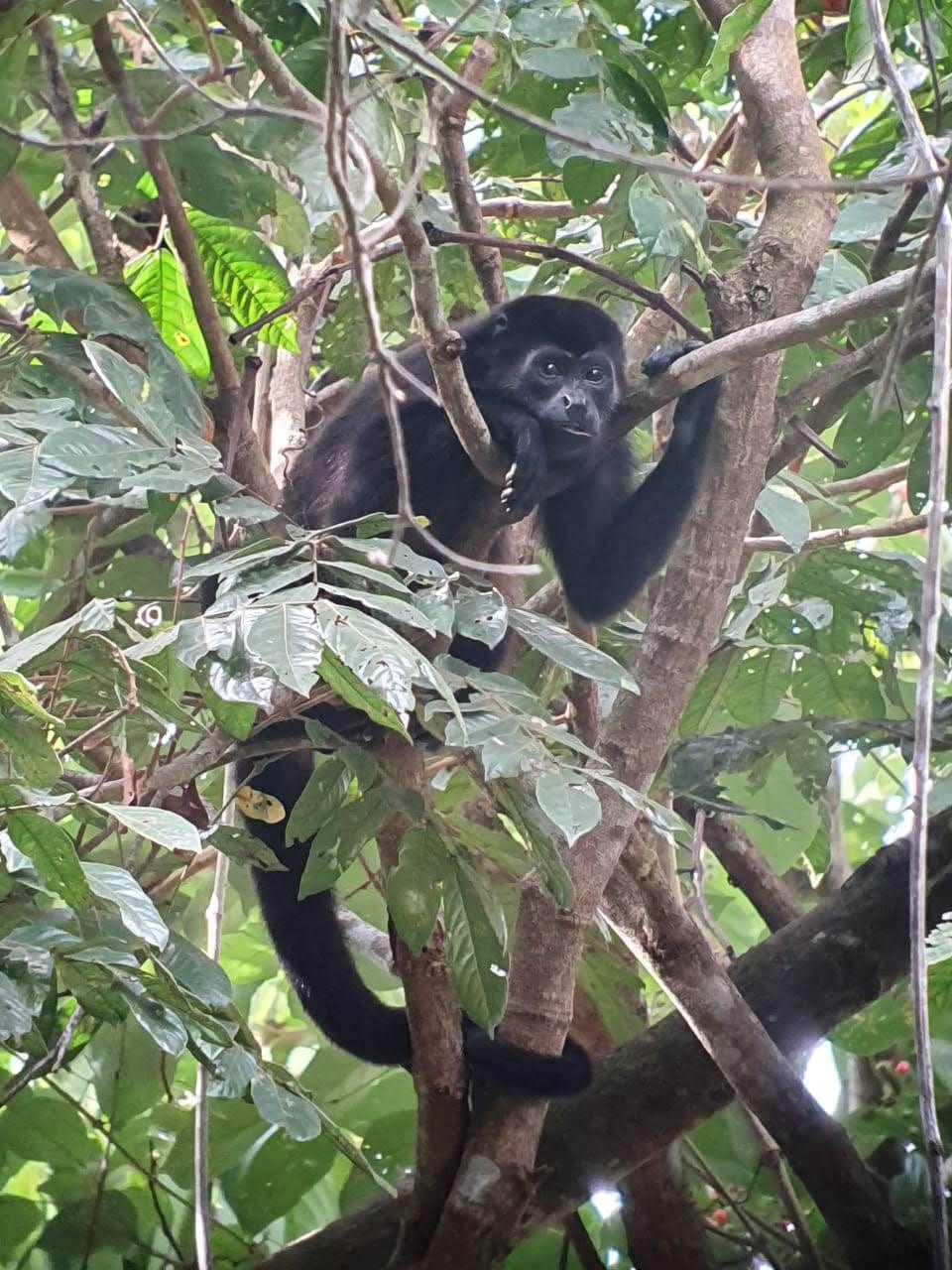
The family tells us the farm covers about 65 hectares of forest, crops and natural areas, which they see as "an important refuge for the region's wildlife." Part of that is how they farm: "We don't use pesticides or herbicides on our spice crops." Depending on the time of year and "the luck of each visit", they say, it is possible to see scarlet macaws, toucans, hummingbirds and many other tropical birds, along with squirrel monkeys, white-faced capuchins, howler monkeys, agoutis, sloths, coatis, iguanas, butterflies and a great variety of amphibians.
What I liked most was how they talk about them: "For us, wildlife is not part of an exhibition, nor something we can guarantee on every tour. They are the farm's natural inhabitants, and finding them is part of the experience of visiting a living ecosystem." It is the same way we think about wildlife.
If you go
The tour is two and a half hours, an easy walk on shaded farm paths, with two departures a day, at 8:30 in the morning and 1:00 in the afternoon. Places are limited, so we book it ahead rather than on the day. There is no hotel pickup on this one: you meet at the farm in Villa Nueva, and our concierge team sorts out the drive with you when we confirm. It still runs in the rain, because the paths are shaded and the tasting is under cover. It is good with young children too, short, hands-on and it finishes with chocolate. Children 4 to 12 pay a lower rate, and 13 and over pays the adult rate. Booking through us, you pay the farm's own rate with no markup.
If it were my day, I would take our guided park tour at 7:00 in the morning, which has you back at the hotel for breakfast, then the 1:00 departure at the farm. There is a farm shop at the end selling vanilla, spice blends and chocolate made from what grows there, and if you like knowing where your food comes from, our guide to traditional Costa Rican food is a good companion read.
What to bring, from the tour page:
- Closed shoes for the farm paths.
- Insect repellent.
- A light rain layer in the green season.
- A bag, if you plan to buy spices. You probably will.
Everything you need to book is on the Villa Vanilla spice tour page. Thank you to Jennifer and Kristopher for sharing their story with us, and for the photographs.
Photographs: Villa Vanilla.